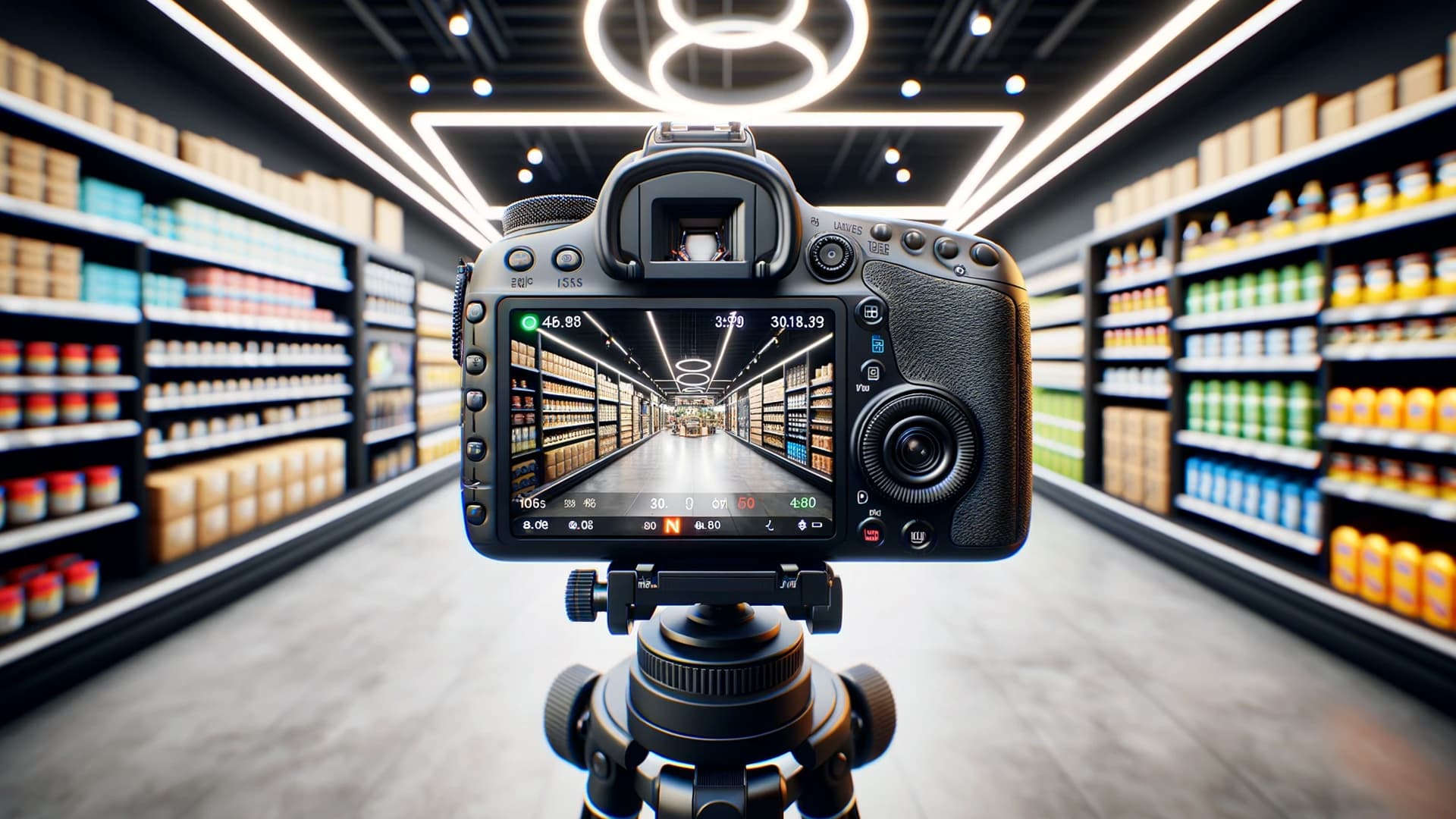

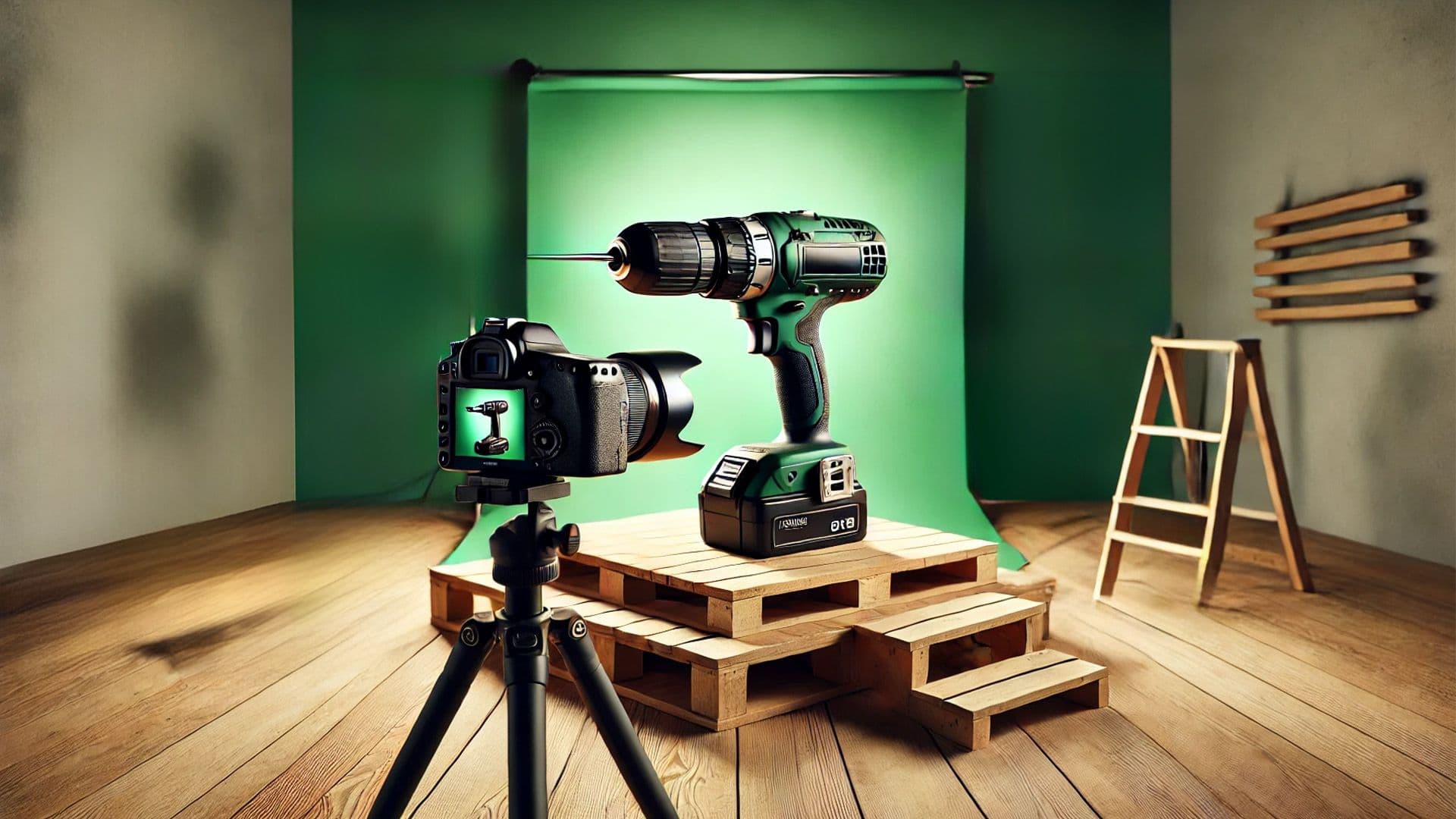
In the fiercely competitive world of e-commerce, standing out requires more than just quality products and effective marketing. Today's consumers seek immersive and interactive shopping experiences that replicate the tactile engagement of in-store browsing. Enter 360° product photography—a game-changing technique that offers a comprehensive and engaging view of products from every angle. This innovative approach not only enhances the visual appeal of online stores but also significantly influences purchasing decisions. In this detailed exploration, we delve into the advantages, essential tools, best practices, and strategic implementations of 360° product photography, revealing how it can revolutionize your e-commerce platform.
Advantages of 360° Product Photography
Enhanced Customer Engagement
360° product photography captivates customers by allowing them to interact with products in a virtual space. Unlike traditional static images, this technique provides a dynamic viewing experience, enabling users to rotate and inspect products from all angles. This interactivity fosters a deeper connection between the customer and the product, making the shopping experience more engaging and enjoyable.
Imagine browsing an online store where you can effortlessly spin a pair of shoes, examining every detail from the sole to the stitching. This level of engagement not only keeps customers on your site longer but also encourages exploration, increasing the likelihood of making a purchase. By offering an interactive experience, 360° photography transforms passive viewers into active participants in the shopping journey.
Improved Product Understanding
One of the primary challenges in e-commerce is conveying the true essence and quality of a product without physical interaction. 360° product photography bridges this gap by providing a comprehensive view that highlights every feature and detail. Customers can gain a better understanding of the product's design, texture, and functionality, reducing uncertainties and enhancing confidence in their purchase decisions.
For instance, a 360° view of a smartwatch allows customers to examine its sleek design, intricate dials, and durable strap from multiple perspectives. This thorough presentation helps customers visualize the product in real life, minimizing the chances of returns and increasing overall satisfaction. Enhanced product understanding leads to more informed choices, fostering trust and reliability in your brand.
Increased Conversion Rates
The ultimate goal of any e-commerce strategy is to convert visitors into buyers. 360° product photography plays a pivotal role in achieving higher conversion rates by providing a richer and more satisfying shopping experience. Studies have shown that interactive product views can significantly boost sales, as customers feel more confident and assured about their purchases.
Consider an online furniture store that offers 360° views of sofas and chairs. Customers can virtually place these items in their own living spaces, assessing how they fit with existing décor. This immersive experience not only enhances visual appeal but also drives conversion by addressing practical concerns and preferences. By reducing ambiguity and enhancing transparency, 360° photography directly contributes to increased sales and revenue growth.
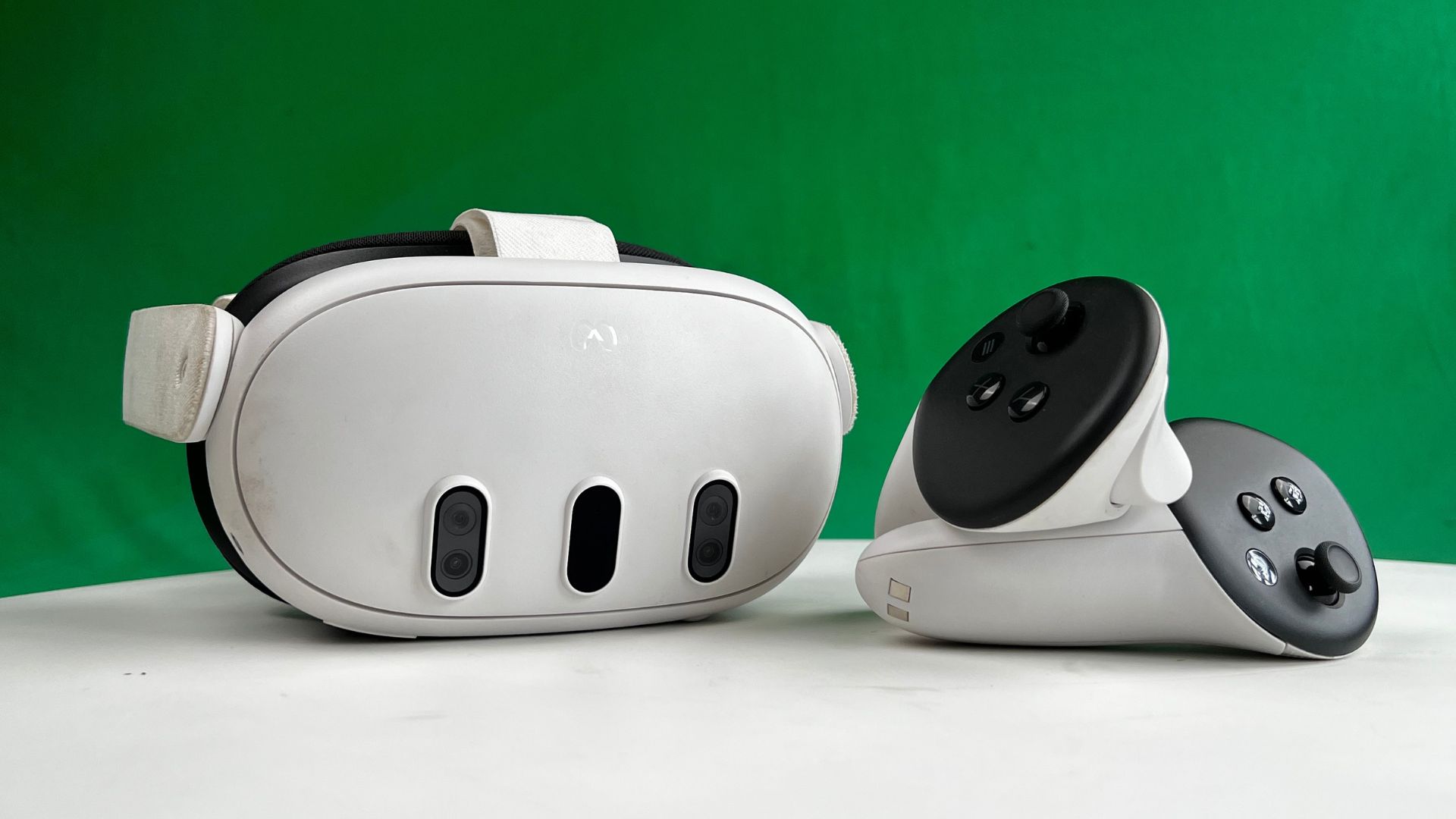
Advantages Of 360 Product Photography
Essential Equipment and Tools
Cameras and Lenses
Selecting the right camera is fundamental to achieving high-quality 360° product photography. Professional-grade 360 cameras like the Insta360 Pro 2 or the Ricoh Theta Z1 offer superior resolution, stitching capabilities, and advanced features tailored for e-commerce applications. These cameras are equipped with multiple lenses that capture overlapping fields of view, which are then seamlessly stitched together to create a cohesive 360° image.
In addition to specialized 360 cameras, high-resolution DSLR cameras with fisheye lenses can also be used to achieve similar results. The choice between dedicated 360 cameras and traditional DSLR setups depends on factors such as budget, desired image quality, and the specific requirements of your e-commerce platform. Investing in a reliable camera ensures that your 360° product images are sharp, detailed, and professional-grade.
Lighting Solutions
Proper lighting is crucial for 360° product photography to ensure that all aspects of the product are evenly illuminated and free from harsh shadows. Softbox lights, ring lights, and LED panel lights are essential tools that provide consistent and adjustable lighting conditions. These lighting solutions help in achieving balanced exposure across the entire 360° field, enhancing the overall quality and realism of the images.
Incorporating diffusers and reflectors can further refine the lighting setup, minimizing reflections and highlights that can detract from the product's appearance. Additionally, understanding and manipulating light direction, intensity, and color temperature allows for creative expression and the ability to showcase products in the most flattering manner. Mastering lighting techniques is essential for producing visually compelling and professionally polished 360° product photographs.
Software for Stitching and Editing
Post-processing is a critical phase in 360° product photography, where raw images are refined and stitched together to create seamless panoramas. Stitching software like Adobe Photoshop, PTGui, and Insta360 Studio offers comprehensive tools for aligning and blending multiple images into a single 360° view. These platforms provide features such as automatic alignment, lens distortion correction, and exposure matching, which are essential for eliminating visible seams and artifacts.
In addition to stitching, photo editing software is indispensable for enhancing the visual appeal of 360° images. Tools for color correction, brightness adjustment, and sharpening can significantly improve image quality, while retouching features help in removing unwanted blemishes or distractions. Utilizing specialized software ensures that your 360° product photographs are not only seamless but also visually striking and ready for e-commerce integration.
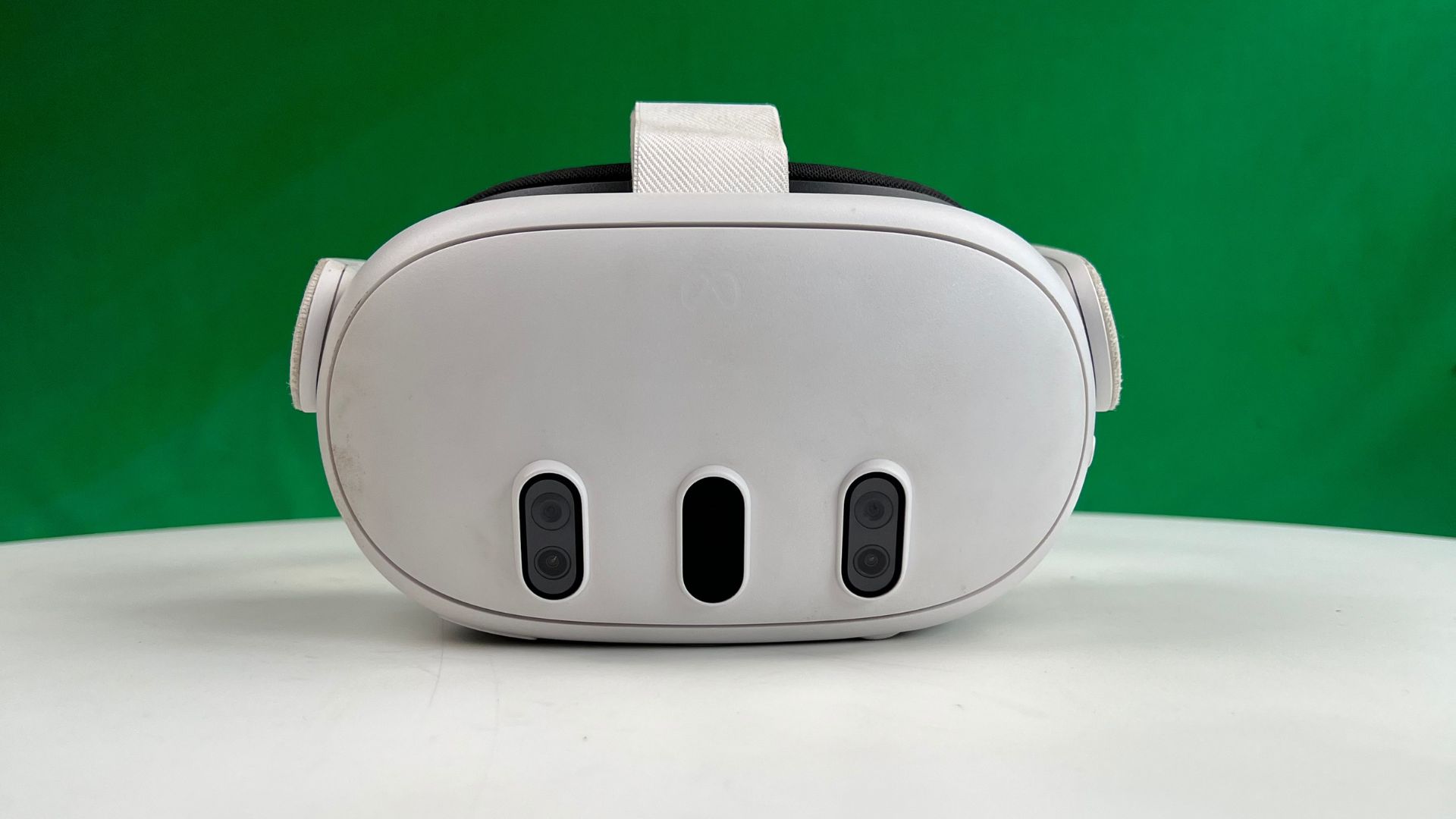
Essential Equipment And Tools
Best Practices for 360° Product Photography
Consistent Backgrounds and Lighting
Maintaining a consistent background and lighting setup is vital for creating professional and cohesive 360° product photographs. A neutral, clutter-free background ensures that the focus remains on the product, while consistent lighting prevents variations in exposure and color that can disrupt the stitching process. Using a turntable can help in achieving uniformity by allowing the product to rotate smoothly against a fixed background.
Consistent backgrounds and lighting also facilitate easier post-processing, as uniform conditions reduce the complexity of stitching and editing. This consistency not only enhances the visual appeal of the images but also contributes to a more polished and professional presentation on your e-commerce platform. Adhering to consistent shooting environments ensures that your 360° product photographs are reliable, high-quality, and visually appealing.
Proper Camera Setup and Positioning
Setting up and positioning the camera correctly is crucial for capturing accurate and high-quality 360° product images. Ensuring that the camera is level and aligned with the product's center of rotation minimizes distortions and ensures even coverage across all angles. Using a turntable with a consistent rotation speed and angle helps in maintaining stability and uniformity throughout the shooting process.
Additionally, positioning the camera at an optimal height relative to the product ensures that all features are clearly visible and well-framed. Overlapping each shot by approximately 30-50% facilitates seamless stitching, reducing the likelihood of visible seams and alignment issues. Proper camera setup and positioning are fundamental for achieving flawless 360° product photographs that offer a true and immersive representation of the item.
High-Quality Stitching and Editing
Achieving seamless stitching and high-quality editing is essential for producing professional-grade 360° product photographs. Utilizing advanced stitching software to align and blend images accurately ensures that the final panorama is free from visible seams and distortions. Paying close attention to details such as color consistency, exposure matching, and distortion correction enhances the overall cohesiveness of the image.
In the editing phase, refining elements such as sharpness, contrast, and color balance further elevates the visual appeal of the photograph. Removing any unwanted artifacts or distractions ensures that the product remains the focal point, providing a clear and accurate representation. High-quality stitching and meticulous editing are crucial for delivering immersive and visually stunning 360° product images that enhance the user experience and drive e-commerce success.

Best Practices For 360 Product Photography
Benefits for Online Retailers
Enhanced Visual Appeal and Professionalism
360° product photography elevates the visual appeal of online stores by providing comprehensive and interactive views of products. This advanced imaging technique conveys a sense of professionalism and attention to detail, which can significantly enhance the overall perception of your brand. High-quality 360° images create a more engaging and attractive storefront, encouraging customers to explore and interact with your products.
The ability to showcase products from every angle not only makes your listings more appealing but also differentiates your store from competitors who rely solely on traditional photography. This enhanced visual appeal can attract more visitors, increase dwell time, and ultimately contribute to higher sales and customer loyalty. By investing in 360° product photography, online retailers can present their offerings in the best possible light, fostering a positive and memorable shopping experience.
Increased Customer Confidence and Reduced Returns
Providing a 360° view of products allows customers to examine items in detail, fostering greater confidence in their purchase decisions. When customers can virtually inspect every aspect of a product, including dimensions, textures, and features, they are less likely to encounter unexpected discrepancies upon receiving the item. This increased transparency helps in building trust and reducing the likelihood of returns, as customers have a clearer understanding of what to expect.
For example, a customer purchasing a piece of jewelry can rotate and zoom in on the item to inspect the craftsmanship and materials used. This level of detail reassures the customer of the product's quality and authenticity, making them more confident in their decision to buy. By enhancing customer confidence through comprehensive product views, 360° photography contributes to a more satisfying and reliable shopping experience, benefiting both customers and retailers.
Competitive Advantage and Brand Differentiation
In a crowded e-commerce marketplace, offering 360° product photography can provide a significant competitive advantage. This innovative approach to product presentation sets your store apart from competitors who may still rely on conventional imagery, signaling a commitment to cutting-edge technology and superior customer experiences. By adopting 360° photography, your brand can position itself as a leader in visual innovation, attracting tech-savvy and discerning customers.
Brand differentiation through 360° product photography also enhances brand identity, making your offerings more memorable and distinctive. This unique selling proposition can be leveraged in marketing campaigns, social media, and other promotional channels to highlight the advanced visual capabilities of your store. By standing out with immersive and interactive product views, your brand can capture the attention of a wider audience and establish a strong presence in the e-commerce landscape.
Benefits For Online Retailers
Implementing 360° Photography in Your E-Commerce Strategy
Integration with Online Platforms
Successfully implementing 360° product photography requires seamless integration with your e-commerce platform. Most major platforms like Shopify, Magento, and WooCommerce support 360° images through plugins or built-in features, allowing for easy embedding and interactive viewing experiences. Ensuring compatibility with your chosen platform is essential for smooth deployment and optimal performance.
Additionally, integrating 360° images with your product listings involves organizing and structuring the visual content to enhance user navigation and interaction. Utilizing responsive design principles ensures that the interactive elements function correctly across various devices and screen sizes, providing a consistent and enjoyable experience for all users. Effective integration with online platforms maximizes the impact of 360° product photography, enhancing the overall functionality and appeal of your e-commerce site.
Optimizing for Performance and Speed
While 360° product photography enhances visual appeal, it's crucial to ensure that these high-resolution images do not compromise website performance and loading speeds. Optimizing images by compressing file sizes without sacrificing quality is essential for maintaining fast load times and a smooth user experience. Utilizing formats like JPEG XR or WebP can help reduce file sizes while preserving image clarity.
Implementing lazy loading techniques ensures that 360° images load only when they are in the user's viewport, further improving page load times and reducing server strain. Additionally, leveraging content delivery networks (CDNs) can distribute image files efficiently, ensuring that users experience minimal latency regardless of their geographical location. Balancing high-quality visuals with optimal performance is key to delivering a seamless and efficient shopping experience that retains customers and encourages conversions.
SEO and Mobile Optimization
Optimizing 360° product photographs for search engines and mobile devices is essential for maximizing visibility and accessibility. Implementing alt text and descriptive metadata for 360° images improves search engine indexing and enhances accessibility for users with visual impairments. Additionally, ensuring that 360° images are mobile-friendly is crucial, as an increasing number of consumers shop via smartphones and tablets.
Responsive design and adaptive image loading techniques ensure that 360° photographs display correctly on all devices, providing a consistent and engaging experience for mobile users. Incorporating schema markup for 360° images can also enhance SEO by providing search engines with structured data about your visual content, potentially leading to better rankings and increased organic traffic. Effective SEO and mobile optimization ensure that your 360° product photography reaches a wider audience and contributes to higher search visibility and user engagement.
Implementing 360 Photography In Your E Commerce Strategy
Future Trends in 360° E-Commerce Photography
AI and Automation in Image Processing
The future of 360° product photography is being shaped by advancements in artificial intelligence (AI) and automation. AI-driven tools are enhancing image stitching accuracy, color correction, and even automating aspects of the shooting process, making 360° photography more efficient and accessible. Machine learning algorithms can analyze and optimize image quality, reducing the need for extensive manual editing and speeding up the production workflow.
Furthermore, AI can assist in generating virtual models and simulations, allowing retailers to create realistic and interactive product displays without the need for physical samples. These innovations are streamlining the 360° photography process, enabling faster turnaround times and higher consistency in image quality. Embracing AI and automation in image processing will empower e-commerce businesses to scale their 360° product photography efforts more effectively, maintaining high standards while meeting increasing demand.
AR Integration for Enhanced Interactivity
Augmented reality (AR) is poised to complement 360° product photography by adding interactive layers and contextual information to immersive images. Integrating AR with 360° photography allows customers to engage with products in more meaningful ways, such as visualizing items in their own environment or accessing detailed product information through interactive hotspots. This synergy enhances the overall shopping experience by providing additional value and context beyond traditional images.
For example, an online furniture store can use AR to enable customers to place 360° product images in their living spaces, adjusting size, color, and placement to suit their preferences. This level of interactivity not only enhances user engagement but also provides practical insights that aid in decision-making. AR integration with 360° photography is set to revolutionize e-commerce by offering richer, more interactive, and personalized shopping experiences that cater to the evolving needs of consumers.
Personalized 360° Experiences
Personalization is becoming increasingly important in e-commerce, and 360° product photography is evolving to meet this demand. Leveraging data analytics and user behavior insights, personalized 360° experiences can tailor product views and interactions to individual preferences and interests. This customization enhances user satisfaction by providing relevant and engaging content that resonates with each customer.
For instance, personalized 360° product views can highlight features that a particular user has shown interest in, such as specific colors, sizes, or functionalities. Additionally, integrating recommendation engines with 360° photography allows for dynamic content that adapts based on user interactions, creating a more engaging and tailored shopping experience. Personalized 360° experiences not only improve customer engagement but also drive loyalty and repeat business by delivering a uniquely customized interaction with your products.
Frequently Asked Questions
What is 360° product photography?
360° product photography is a technique that captures a product from all angles, creating an interactive and immersive visual experience. By allowing customers to rotate and view the product from every perspective, it provides a comprehensive understanding of the item's features and design.
How does 360° photography benefit e-commerce businesses?
360° photography enhances visual appeal, increases customer engagement, improves product understanding, and boosts conversion rates. It provides a more immersive and interactive shopping experience, leading to higher customer satisfaction and reduced return rates.
What equipment is essential for 360° product photography?
Essential equipment includes a high-quality 360° camera (e.g., Insta360 Pro 2, Ricoh Theta), lighting solutions such as softbox lights or LED panels, a sturdy tripod or turntable, and stitching/editing software like Adobe Photoshop or PTGui. Additional accessories like diffusers and remote controls can further enhance the setup.
Can 360° product images improve SEO for online stores?
Yes, optimizing 360° product images with appropriate alt text, descriptive metadata, and schema markup can improve search engine indexing and visibility. Additionally, ensuring that images are mobile-friendly and load quickly enhances user experience and SEO performance.
How can I integrate 360° product photography into my existing e-commerce platform?
Most major e-commerce platforms like Shopify, Magento, and WooCommerce support
Your premier destination for new 360 releases and comprehensive coverage across the worlds of videography and photography. We bring you the latest industry news, technical insights, and creative breakthroughs.