


In the dynamic realm of modern commerce, businesses incessantly strive to innovate their customer engagement strategies. Amidst this pursuit, 360° video technology has emerged as a revolutionary tool, fundamentally altering the landscape of customer interactions. This comprehensive exploration delves into how 360° video is reshaping the ways businesses connect with their clientele, enhancing immersive experiences, elevating brand storytelling, and bolstering marketing and sales strategies.
The Evolution of Customer Engagement
Customer engagement has undergone a seismic shift over the past decade. Traditional methods, while effective, are increasingly supplemented—or even supplanted—by advanced technologies that offer deeper, more interactive experiences. The digital age has ushered in an era where consumers expect not just products or services, but memorable and engaging interactions with brands. This evolution is driven by the relentless advancement of technology, which continually expands the toolkit available to businesses aiming to capture and retain customer attention.
Emergence of 360° Video Technology
At the forefront of this technological revolution is 360° video technology. Unlike conventional video formats, 360° videos provide an all-encompassing view, allowing viewers to navigate their perspective in any direction. This immersive capability transforms passive viewing into an interactive experience, fostering a sense of presence and engagement that static media cannot achieve. The rise of affordable virtual reality (VR) headsets and the ubiquity of smartphones have further democratized access to 360° video, making it a viable option for businesses of all sizes.
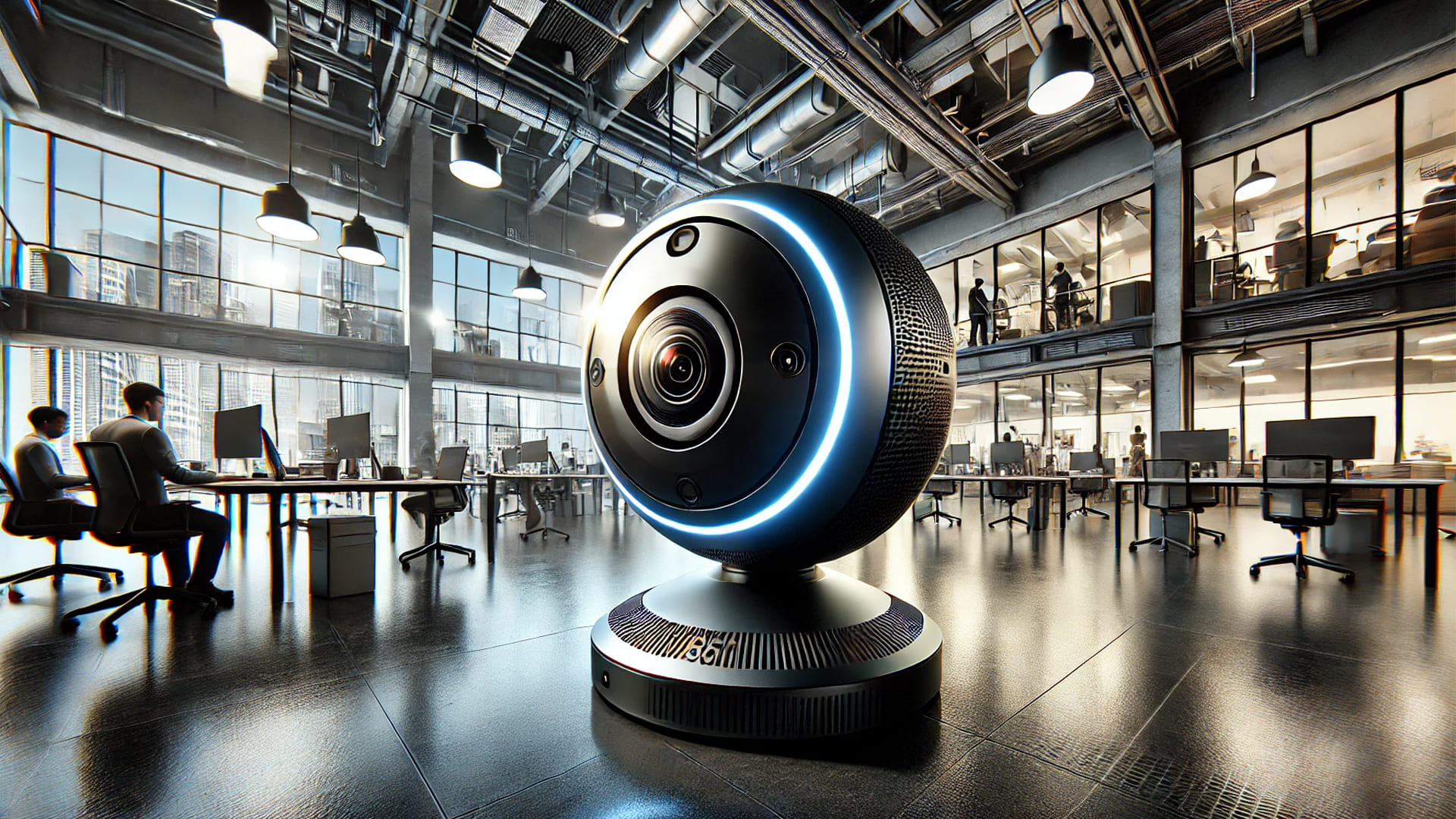
Emergence Of 360 Video Technology
Enhancing Immersive Experiences
Virtual Reality and Customer Interaction
Virtual Reality (VR) has transcended its early associations with gaming to become a pivotal component of customer interaction strategies. By integrating 360° video into VR environments, businesses can create highly immersive experiences that captivate audiences. For instance, automotive companies utilize VR showrooms, allowing potential buyers to explore vehicle features in a simulated environment. This not only provides a tangible sense of the product but also enhances the overall customer journey by making it more interactive and engaging.
Case Studies of Successful Implementations
Several industries have harnessed the power of 360° video to great effect. In the hospitality sector, hotels offer virtual tours that enable prospective guests to explore rooms, amenities, and facilities before making a reservation. This transparency builds trust and sets accurate expectations, thereby increasing booking rates. Similarly, real estate agencies employ 360° video to present properties, allowing buyers to virtually walk through homes from the comfort of their current location. This innovative approach not only broadens the market reach but also accelerates the decision-making process.
Another notable example is the tourism industry, where destinations create immersive promotional videos that highlight attractions and experiences. By enabling viewers to virtually visit landmarks and participate in activities, these videos inspire travel plans and enhance the appeal of the destination. Such applications demonstrate the versatility and effectiveness of 360° video in various business contexts.
Elevating Brand Storytelling
Crafting Narratives in a 360° Environment
Brand storytelling is an essential aspect of modern marketing, and 360° video offers a unique platform for crafting compelling narratives. Traditional storytelling techniques, confined to linear narratives, are expanded in a 360° environment to encompass multiple perspectives and layers of interaction. Brands can design intricate storylines that unfold dynamically, allowing consumers to explore different facets of the story at their own pace.
For example, a fashion brand might create a 360° video that takes viewers through the design and manufacturing process, offering an intimate look at the craftsmanship behind each garment. By navigating through the studio, interacting with designers, and examining materials up close, consumers gain a deeper appreciation for the brand's dedication to quality and detail.

Elevating Brand Storytelling
Emotional Connectivity and Consumer Trust
Emotional connectivity is paramount in fostering consumer trust and loyalty. 360° video excels in creating immersive environments that evoke genuine emotions, thereby strengthening the bond between the brand and its audience. By transporting viewers into realistic and relatable scenarios, businesses can elicit authentic emotional responses that resonate more profoundly than traditional advertising.
Consider a non-profit organization aiming to raise awareness for a cause. A 360° video that places viewers directly in the environment of those affected by the issue can create a powerful emotional impact, compelling viewers to take action. This level of emotional engagement not only enhances the effectiveness of the message but also builds long-term trust and commitment to the cause.
Boosting Marketing and Sales Strategies
360° Video in Advertising Campaigns
In the saturated landscape of digital advertising, standing out is a formidable challenge. 360° video offers a distinctive edge by providing an interactive and engaging format that captures and retains viewer attention. Brands can leverage this technology to create memorable advertisements that offer a more immersive experience compared to traditional video ads.
For instance, a travel agency might develop a 360° ad that allows viewers to explore exotic destinations virtually, enticing them to book real-life vacations. Similarly, a tech company could showcase a new gadget by letting consumers interact with it in a virtual environment, highlighting its features and benefits in an engaging manner. These immersive ads not only enhance brand recall but also drive higher engagement rates, leading to increased conversions.
Measuring ROI and Effectiveness
The integration of 360° video into marketing strategies necessitates robust analytics to measure return on investment (ROI) and campaign effectiveness. Traditional metrics such as view counts and click-through rates are supplemented by more nuanced indicators specific to immersive content. Metrics like viewer engagement time, interaction rates, and user navigation patterns provide deeper insights into how audiences interact with the content.
Advanced analytics tools can track these metrics, enabling businesses to assess the performance of their 360° video campaigns comprehensively. By analyzing data on how viewers navigate the video, which elements they interact with most, and the overall engagement duration, companies can refine their content strategies to better align with audience preferences. This data-driven approach ensures that marketing efforts are both effective and efficient, maximizing the impact of 360° video initiatives.

Boosting Marketing And Sales Strategies
Overcoming Challenges and Future Prospects
Technical Limitations and Solutions
Despite its numerous advantages, the adoption of 360° video technology is not without challenges. High production costs and the necessity for specialized equipment can pose significant barriers, particularly for smaller businesses. Additionally, creating high-quality 360° content requires a distinct set of skills and expertise, which may necessitate additional training or the hiring of specialized personnel.
However, advancements in technology are progressively mitigating these challenges. The emergence of more affordable VR hardware and user-friendly 360° cameras has lowered the entry barrier, making it easier for businesses to produce high-quality content. Furthermore, the proliferation of online tutorials and training programs has democratized access to the skills required for 360° video production. As the technology continues to evolve, it is anticipated that these barriers will diminish further, fostering wider adoption across various industries.
The Future Landscape of 360° Business Applications
Looking ahead, the future of 360° video in business applications appears exceedingly promising. The continuous evolution of virtual and augmented reality (VR/AR) technologies is set to expand the capabilities and applications of 360° video, opening new avenues for customer engagement. Innovations such as real-time interactivity, where viewers can make choices that influence the narrative, and integration with artificial intelligence (AI) to personalize content, are poised to enhance the immersive experience further.
Moreover, the convergence of 360° video with other emerging technologies, such as the Internet of Things (IoT) and blockchain, could lead to novel applications and business models. For example, integrating 360° video with IoT devices could enable real-time data visualization in immersive environments, providing valuable insights for industries like manufacturing and logistics. Similarly, blockchain technology could ensure the authenticity and security of 360° content, fostering greater trust and reliability in its applications.
The potential for 360° video extends beyond marketing and customer engagement. In sectors such as education, healthcare, and training, immersive video can revolutionize the way information is delivered and absorbed. Virtual classrooms, surgical simulations, and interactive training modules are just a few examples of how 360° video can enhance learning and skill development.
Integrating 360° Video into Business Strategies
Strategic Implementation
For businesses contemplating the integration of 360° video into their strategies, a thoughtful and strategic approach is essential. This involves identifying key objectives, understanding the target audience, and selecting the appropriate platforms for content distribution. A well-defined strategy ensures that the investment in 360° video yields maximum returns and aligns with broader business goals.
Businesses should begin by conducting a thorough analysis of their customer base to understand their preferences and behaviors. This insight informs the creation of content that resonates with the audience, enhancing engagement and effectiveness. Additionally, selecting the right platforms—whether social media, company websites, or dedicated VR applications—is crucial for reaching the intended audience and facilitating seamless interaction with the content.
Content Creation Best Practices
Creating compelling 360° video content requires adherence to best practices that ensure high quality and engagement. Attention to technical aspects such as lighting, audio quality, and seamless stitching of video segments is paramount to delivering a professional and immersive experience. Moreover, storytelling should be at the forefront, with narratives designed to take full advantage of the 360° format by encouraging exploration and interaction.
Interactive elements, such as hotspots that provide additional information or trigger specific actions, can enhance the viewer's experience and engagement. Additionally, optimizing video length and pacing to maintain viewer interest without overwhelming them is essential. By adhering to these best practices, businesses can create 360° video content that is not only visually stunning but also highly effective in achieving their engagement and marketing objectives.

Content Creation Best Practices
Your premier destination for new 360 releases and comprehensive coverage across the worlds of videography and photography. We bring you the latest industry news, technical insights, and creative breakthroughs.