

Exploring the Volvo EX30 Electric Through 3D Scanning and Modeling
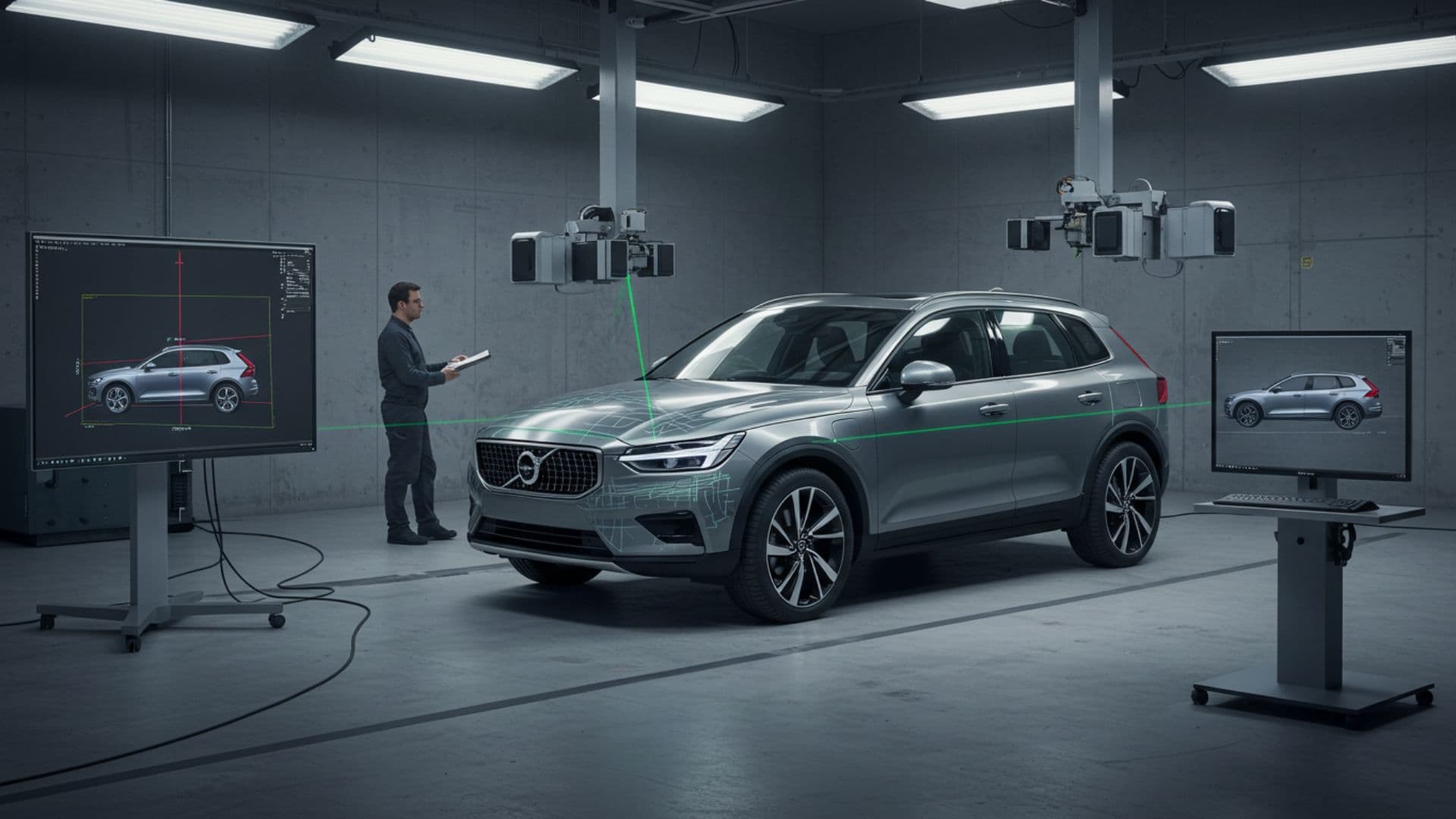
In the realm of automotive innovation, the Volvo EX30 Electric stands as a testament to cutting-edge design and sustainable engineering. At 3DPhotographers, we are thrilled to embark on the journey of 3D scanning and modeling this remarkable vehicle, bringing its intricate details and sleek aesthetics to the digital forefront. This blog delves into the significance of the Volvo EX30 Electric, the advanced 3D scanning techniques we employ, the challenges we anticipate, and the transformative benefits our 3D models will offer to enthusiasts, designers, and the automotive industry at large.
Overview of the Volvo EX30 Electric
Introducing the Volvo EX30 Electric
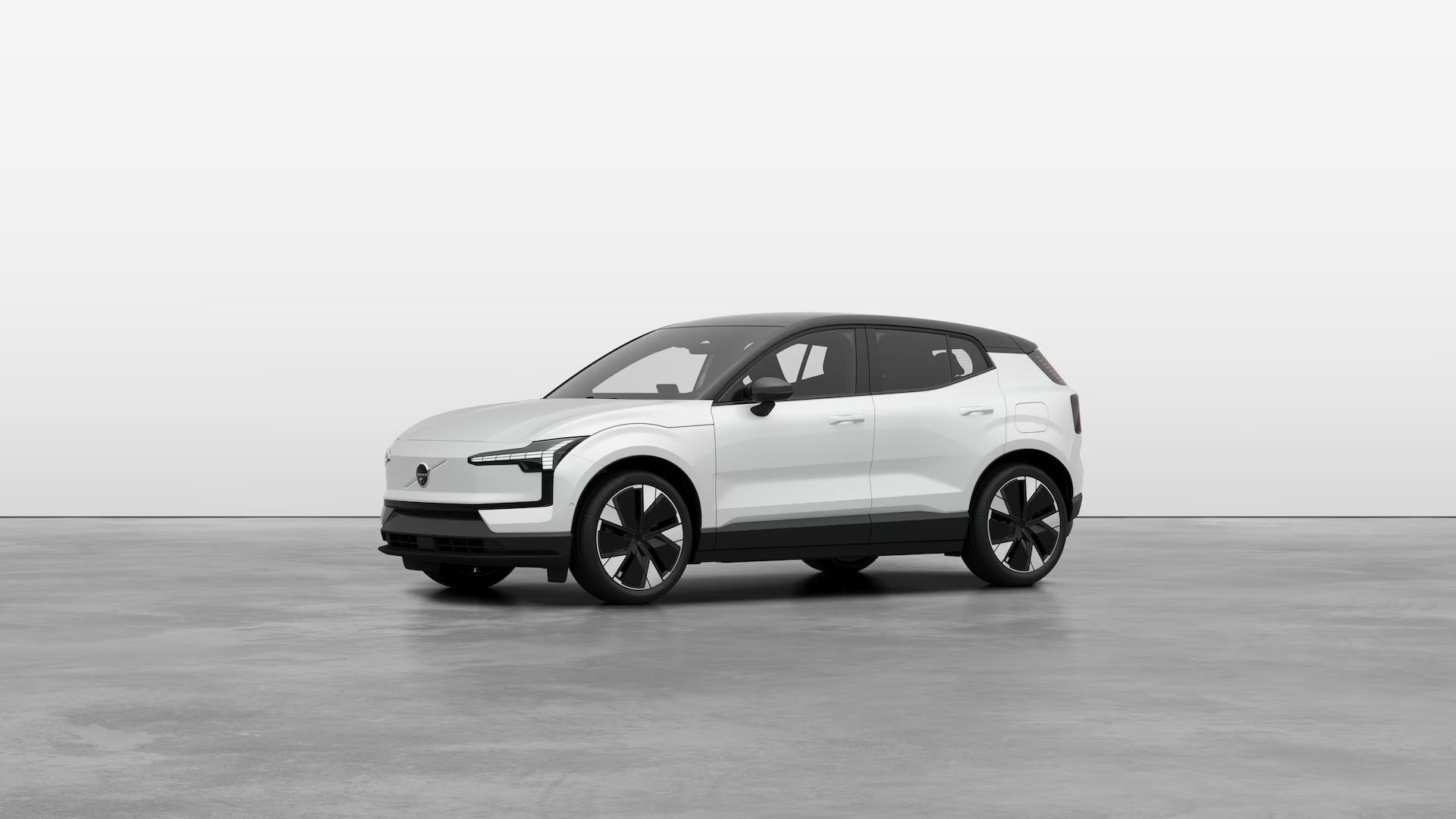
The Volvo EX30 Electric is Volvo's latest foray into the electric vehicle (EV) market, embodying the brand's commitment to sustainability, safety, and Scandinavian design excellence. With its compact yet spacious frame, the EX30 is engineered to offer an exceptional driving experience without compromising on environmental responsibility. Featuring state-of-the-art battery technology, advanced driver-assistance systems (ADAS), and a minimalist interior, the EX30 represents the future of urban mobility.
Design Philosophy and Features
Volvo's design philosophy for the EX30 Electric emphasizes simplicity, functionality, and elegance. The vehicle boasts a streamlined exterior with aerodynamic lines that not only enhance its aesthetic appeal but also improve efficiency. LED lighting, panoramic glass roofs, and innovative alloy wheels are among the standout features that make the EX30 a visually striking model. Inside, the cabin is designed with high-quality materials, intuitive interfaces, and ample connectivity options, ensuring comfort and convenience for both drivers and passengers.
Sustainability and Performance
Sustainability is at the core of the Volvo EX30 Electric's development. The vehicle is constructed using recycled and eco-friendly materials, reducing its overall carbon footprint. Its electric powertrain delivers impressive performance metrics, including rapid acceleration, long-range capabilities, and efficient energy consumption. The EX30 also integrates regenerative braking and energy management systems that optimize battery life and performance, making it a practical choice for environmentally conscious consumers.
Overview Of The Volvo Ex30 Electric
Why 3D Scanning Matters for Modern Automobiles
Enhancing Design Precision
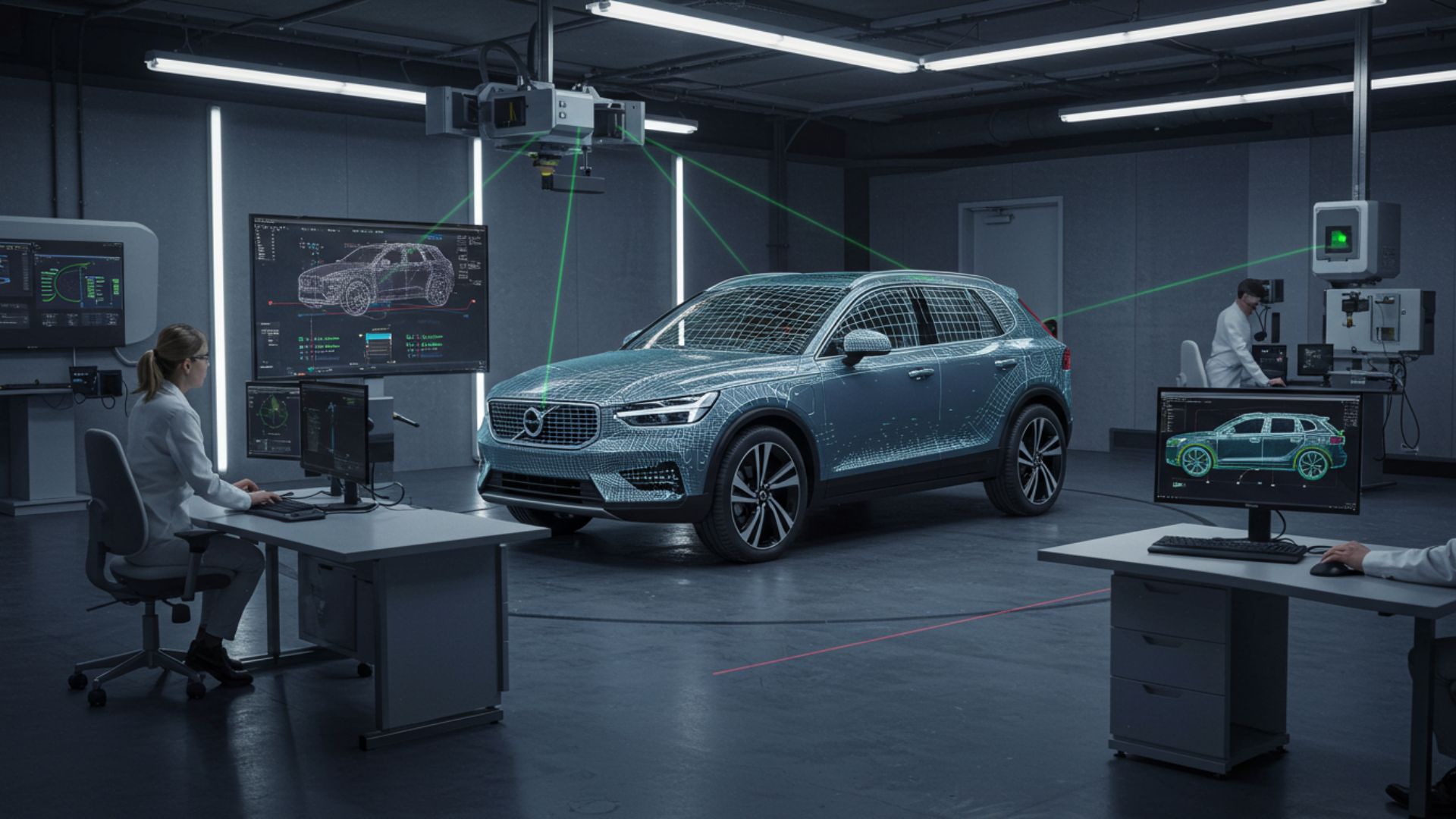
In the competitive automotive industry, precision in design and manufacturing is paramount. 3D scanning allows designers and engineers to capture every minute detail of a vehicle, ensuring that the digital models accurately reflect the physical prototype. This level of precision facilitates seamless transitions from design to production, reducing errors and enhancing the overall quality of the final product. For the Volvo EX30 Electric, 3D scanning ensures that every curve, joint, and component is meticulously documented, preserving the integrity of Volvo's design standards.
Accelerating Prototyping and Development
3D scanning significantly accelerates the prototyping and development phases of automotive design. By creating detailed digital replicas of the EX30, our team can conduct virtual simulations, stress tests, and performance analyses without the need for multiple physical prototypes. This not only saves time and resources but also enables rapid iterations and refinements. The ability to visualize and modify the 3D model in real-time empowers Volvo's engineers to innovate swiftly, bringing the EX30 Electric to market faster and more efficiently.
Facilitating Collaboration and Innovation
Modern automotive projects often involve collaboration between diverse teams spread across different locations. 3D scanning and modeling provide a universal platform where designers, engineers, and stakeholders can interact with a shared digital model of the EX30 Electric. This fosters better communication, coordinated efforts, and collective problem-solving, driving innovation and ensuring that every aspect of the vehicle meets Volvo's high standards. The collaborative potential of 3D scanning is instrumental in pushing the boundaries of automotive design and technology.
Why 3D Scanning Matters For Modern Automobiles
Our 3D Scanning Approach for the EX30
Advanced Scanning Technologies
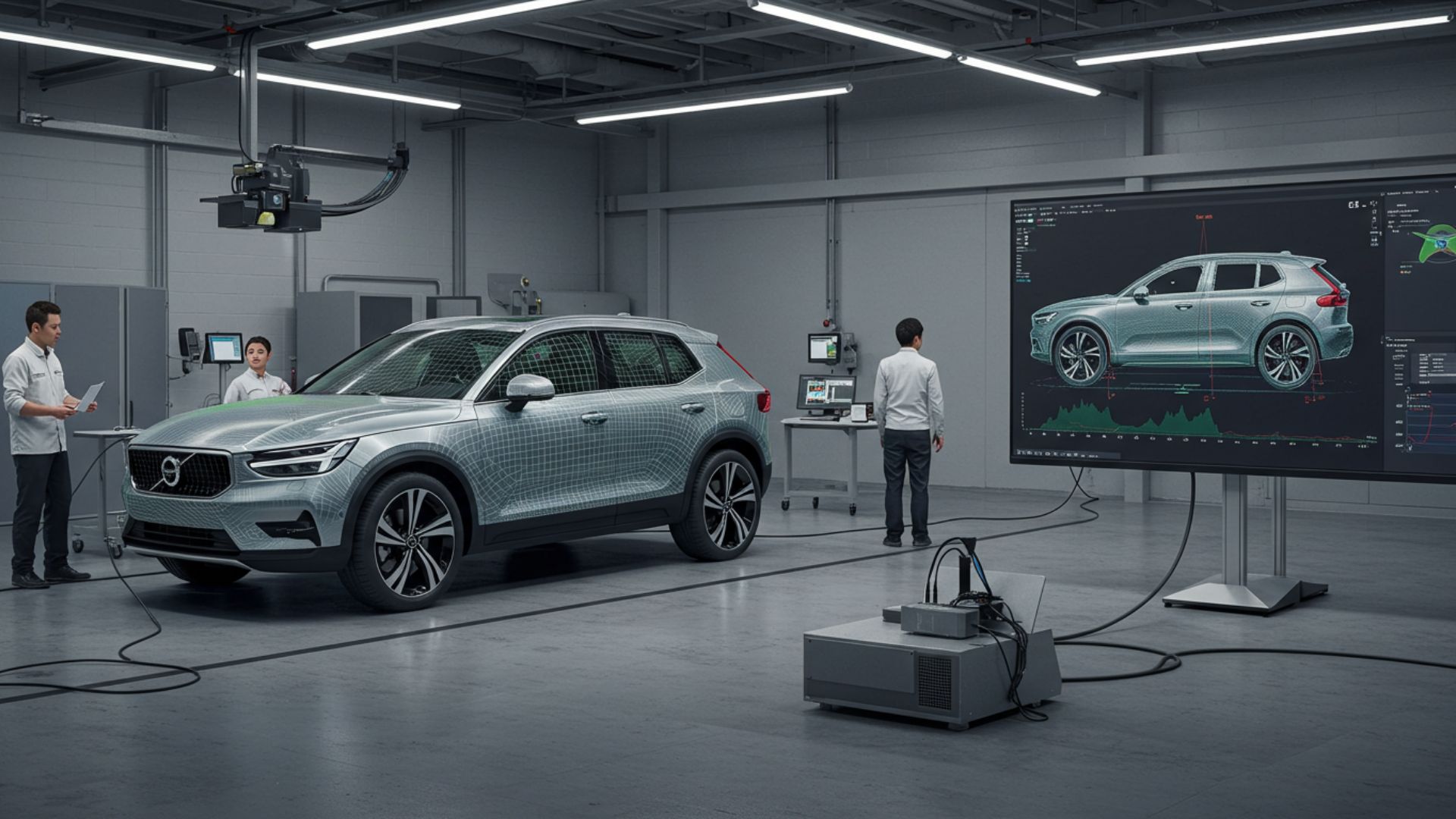
At 3DPhotographers, we utilize state-of-the-art 3D scanning technologies to capture the Volvo EX30 Electric with unparalleled accuracy. Our arsenal includes laser scanners, structured light scanners, and photogrammetry systems, each selected based on the specific requirements of different parts of the vehicle. Laser scanners provide high precision for capturing intricate details, while structured light scanners excel in surface texture mapping. Photogrammetry complements these tools by offering a cost-effective method for capturing large-scale features and overall geometry.
Comprehensive Data Acquisition
The process of 3D scanning the Volvo EX30 Electric involves comprehensive data acquisition, ensuring that no detail is overlooked. We begin with a thorough inspection of the vehicle, identifying key areas that require detailed scanning. Our team meticulously scans the exterior, interior, engine bay, and other critical components, compiling a vast dataset that forms the foundation of the 3D model. This exhaustive approach guarantees that the digital representation of the EX30 is both complete and highly detailed, ready for subsequent modeling and analysis.
Quality Assurance and Data Processing
Quality assurance is integral to our 3D scanning process. Each scan is carefully reviewed to identify and rectify any inconsistencies or errors. Advanced software tools are employed to process the raw scan data, merging multiple scans into a unified model and refining the geometry for accuracy. Surface textures and colors are meticulously mapped to ensure that the 3D model faithfully replicates the physical vehicle. Our rigorous quality assurance protocols ensure that the final 3D model of the Volvo EX30 Electric meets the highest standards of precision and fidelity.
Our 3D Scanning Approach For The EX30
Challenges in 3D Modeling the EX30 Electric
Capturing Complex Geometries
One of the primary challenges in 3D modeling the Volvo EX30 Electric is capturing its complex geometries with high precision. The EX30 features a blend of smooth curves, sharp edges, and intricate detailing that require advanced scanning techniques and meticulous data processing. Ensuring that these diverse elements are accurately represented in the digital model demands expertise and attention to detail, making the task both challenging and rewarding.
Managing Data Volume and Processing
3D scanning generates massive volumes of data, especially for a detailed vehicle like the EX30 Electric. Managing this data efficiently is crucial to maintaining workflow continuity and ensuring timely project completion. Our team employs robust data management systems and high-performance computing resources to handle the extensive datasets. Efficient data processing workflows are established to streamline the conversion of raw scan data into refined 3D models, mitigating potential bottlenecks and enhancing overall productivity.
Ensuring Consistency and Accuracy
Maintaining consistency and accuracy across the entire 3D model is paramount. Discrepancies or inaccuracies in one part of the model can undermine the integrity of the entire project. To address this, our team implements stringent quality control measures at every stage of the scanning and modeling process. Regular cross-verifications, precision calibration of scanning equipment, and iterative refinements ensure that the final 3D model of the EX30 Electric is uniformly accurate and reliable, reflecting Volvo's exacting standards.
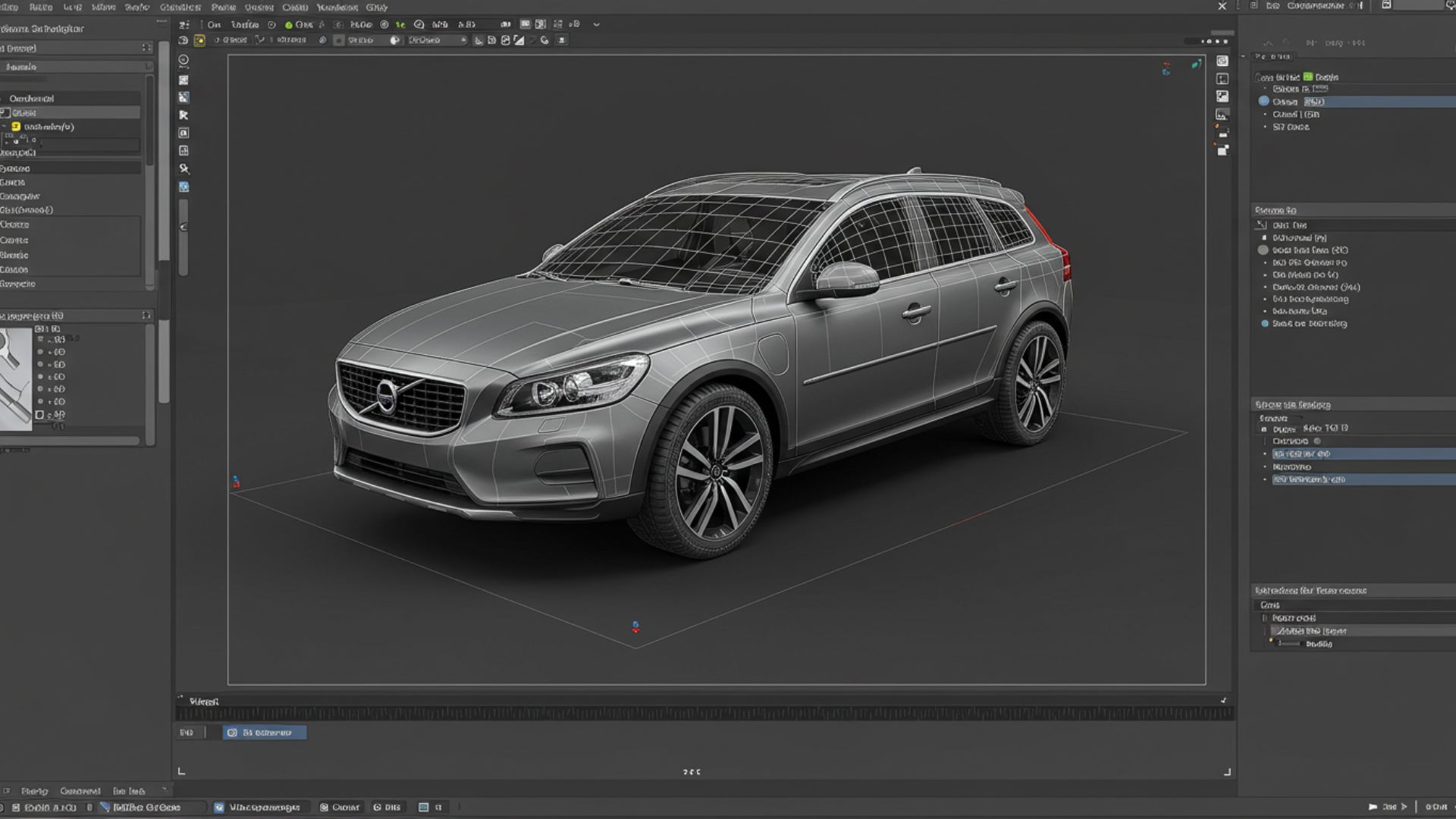
Challenges In 3D Modeling The EX30 Electric
Frequently Asked Questions
What is 3D scanning and how does it work for cars like the Volvo EX30 Electric?
3D scanning is a process that captures the physical dimensions and surface details of an object, creating a precise digital replica. For cars like the Volvo EX30 Electric, specialized scanners capture every curve, edge, and intricate detail of the vehicle. The data collected is then processed and converted into a 3D model using advanced software, ensuring an accurate and detailed representation of the physical car.
Why is 3D scanning important for automotive design and manufacturing?
3D scanning is crucial for automotive design and manufacturing as it enhances precision, accelerates prototyping, and facilitates collaboration. It allows designers and engineers to create accurate digital models that can be used for simulations, virtual testing, and iterative design improvements. This reduces the need for multiple physical prototypes, saving time and resources while ensuring high-quality outcomes.
How long does the 3D scanning and modeling process take for a vehicle like the Volvo EX30 Electric?
The duration of the 3D scanning and modeling process can vary based on the complexity of the vehicle and the level of detail required. For a sophisticated model like the Volvo EX30 Electric, the process typically spans several weeks, including data acquisition, processing, modeling, and quality assurance. Our team at 3DPhotographers ensures efficiency without compromising on accuracy, delivering a comprehensive 3D model within the agreed timeframe.
What technologies do you use for 3D scanning the Volvo EX30 Electric?
At 3DPhotographers, we employ a combination of advanced 3D scanning technologies, including laser scanners, structured light scanners, and photogrammetry systems. These technologies are selected based on the specific requirements of different parts of the Volvo EX30 Electric, ensuring that every detail is captured with high precision. Our integrated approach leverages the strengths of each technology to create a comprehensive and accurate 3D model.
Can the 3D model of the Volvo EX30 Electric be used for virtual reality (VR) and augmented reality (AR) applications?
Yes, the 3D model of the Volvo EX30 Electric is fully compatible with VR and AR applications. It can be seamlessly integrated into virtual showrooms, interactive displays, and AR experiences, providing users with immersive and engaging interactions. Whether for marketing, customer engagement, or design collaboration, the 3D model enhances the versatility and functionality of VR and AR applications.
How do you ensure the accuracy and quality of the 3D model?
Ensuring accuracy and quality is paramount in our 3D scanning and modeling process. We implement rigorous quality assurance protocols, including cross-verifications, precision calibration of scanning equipment, and iterative refinements. Our experienced team meticulously reviews each scan, addressing any discrepancies and ensuring that the final 3D model faithfully represents the physical Volvo EX30 Electric in every detail.
What are the benefits of having a 3D model of the Volvo EX30 Electric for businesses and consumers?
For businesses, a 3D model of the Volvo EX30 Electric offers numerous benefits, including enhanced design collaboration, streamlined manufacturing processes, and innovative marketing opportunities. It facilitates virtual simulations, ergonomic assessments, and efficient prototyping, leading to improved product quality and reduced time-to-market. For consumers, the 3D model provides immersive experiences through virtual showrooms and AR applications, enabling informed decision-making and a deeper connection with the vehicle.
Can you customize the 3D model for specific requirements or features?
Yes, we offer customization services to tailor the 3D model to specific requirements or features. Whether it's highlighting particular design elements, integrating additional data layers, or modifying the model for specific applications, our team can adapt the 3D model to meet your unique needs. This flexibility ensures that the final product aligns perfectly with your objectives and enhances its utility across various platforms and uses.
What industries can benefit from your 3D scanning and modeling services?
Our 3D scanning and modeling services cater to a wide range of industries, including automotive, aerospace, manufacturing, architecture, entertainment, and healthcare. Any sector that requires precise and detailed digital representations of physical objects can benefit from our expertise. Whether for design, simulation, marketing, or educational purposes, our 3D models provide valuable assets that drive innovation and efficiency.
How can I get started with 3D scanning my vehicle or product?
Getting started with 3D scanning your vehicle or product is easy. Simply contact us at 3DPhotographers through our website or customer service channels. Our team will discuss your specific requirements, schedule a scanning session, and guide you through the entire process. We ensure a smooth and efficient experience, delivering high-quality 3D models that meet your needs and exceed your expectations.
Your premier destination for new 360 releases and comprehensive coverage across the worlds of videography and photography. We bring you the latest industry news, technical insights, and creative breakthroughs.