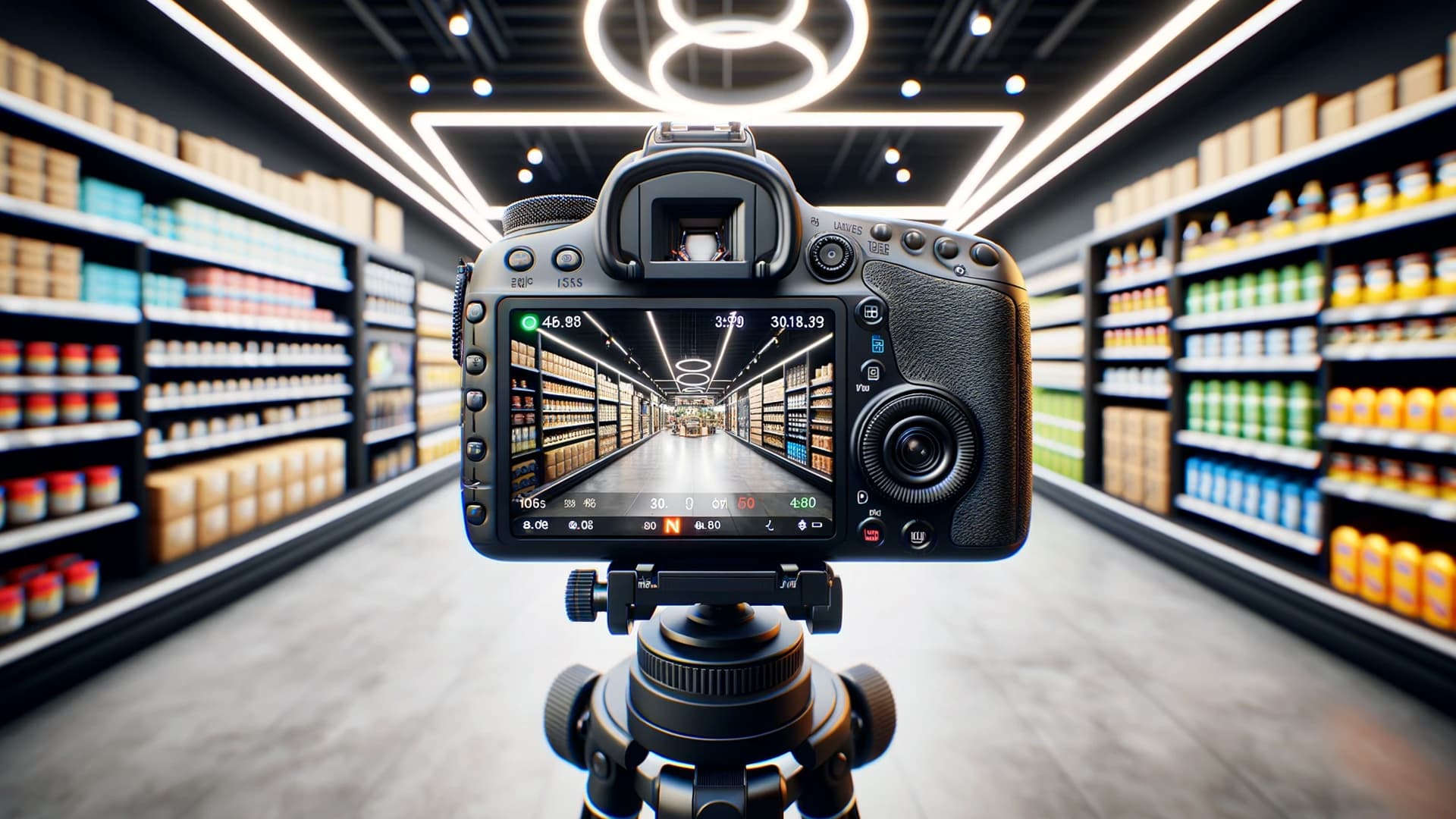


In recent years, the advent of 360-degree videography has revolutionized the landscape of visual storytelling. South Africa, renowned for its breathtaking vistas and rich cultural tapestry, has emerged as a pivotal hub for this immersive technology. The ability to capture expansive panoramas and intricate details within a single frame offers storytellers unprecedented creative freedom. This paradigm shift not only enhances the viewer's engagement but also opens new avenues for industries such as tourism, education, and media. As 360-degree videos gain traction, they redefine how narratives are crafted and experienced, positioning South Africa at the forefront of this dynamic evolution.
The Growing Popularity of 360-Degree Videos in South Africa
Factors Driving the Adoption of 360-Degree Technology
The surge in 360-degree video adoption in South Africa can be attributed to several converging factors. Technological advancements have rendered high-quality 360-degree cameras more accessible and affordable, democratizing content creation. Additionally, the proliferation of virtual reality (VR) platforms has amplified the demand for immersive content, compelling creators to explore this medium. The increasing penetration of high-speed internet facilitates seamless streaming of 360-degree videos, enhancing user experience. Furthermore, the global shift towards interactive and experiential media underscores the relevance of 360-degree videography, making it an indispensable tool for modern storytellers.
Key Players and Innovators in the South African VR Scene
South Africa boasts a vibrant community of innovators and key players driving the 360-degree video revolution. Leading production companies like XR South Africa and Immersive Media Studios are at the forefront, pioneering groundbreaking projects that blend artistic vision with technical prowess. Collaborations between these studios and local tourism boards have yielded captivating virtual tours that showcase the country's diverse landscapes. Influential content creators and VR enthusiasts also play a crucial role, pushing the boundaries of what's possible and inspiring the next generation of 360-degree videographers. Their collective efforts have cemented South Africa's reputation as a creative powerhouse in the VR domain.
Statistics and Trends Highlighting the Growth
Empirical data underscores the exponential growth of 360-degree videography in South Africa. Recent market analyses indicate a year-on-year increase of over 30% in 360-degree video production. User engagement metrics reveal that immersive content garners significantly higher interaction rates compared to traditional videos, with average viewing times exceeding twice as long. Moreover, the tourism sector has reported a 25% uptick in inquiries following the implementation of virtual tours, highlighting the tangible impact of 360-degree videos. These statistics not only validate the rising popularity but also forecast a sustained upward trajectory for this innovative medium.
Transforming Tourism with 360-Degree Videography
Virtual Tours of Iconic South African Destinations
360-degree videography has revolutionized the way iconic South African destinations are showcased to the world. Virtual tours of landmarks such as Table Mountain, Kruger National Park, and the vibrant streets of Cape Town offer potential tourists an immersive preview of their experiences. These interactive videos allow viewers to navigate through breathtaking landscapes and bustling urban centers, fostering a deeper connection and anticipation. By providing a realistic glimpse into the attractions, virtual tours serve as powerful marketing tools, enticing travelers to explore South Africa's rich offerings in person.
Enhancing Tourist Engagement and Decision-Making
The integration of 360-degree videos into tourism strategies significantly enhances visitor engagement and informs decision-making processes. Immersive content provides a more comprehensive understanding of what to expect, reducing uncertainties and increasing confidence in travel choices. Interactive elements within these videos, such as clickable hotspots and informational overlays, offer additional layers of information, enriching the user experience. Consequently, potential tourists are more likely to convert their interest into bookings, driven by the compelling and authentic portrayal of destinations. This heightened engagement translates into increased tourism revenue and bolsters the local economy.
Case Studies: Successful VR Tourism Campaigns
Several VR tourism campaigns in South Africa exemplify the efficacy of 360-degree videography. One notable example is the Virtual Safari Experience by WildXR, which offers an unparalleled view of wildlife in Kruger National Park. This campaign not only attracted international attention but also resulted in a 20% increase in safari bookings. Another success story is the Cape Town 360 Tour by Cape Immersive Media, which highlighted the city's diverse attractions and cultural landmarks, leading to a significant rise in tourism inquiries. These case studies demonstrate the transformative potential of 360-degree videos in elevating South Africa's tourism industry and setting benchmarks for future initiatives.
Technical Aspects of Creating 360-Degree Videos
Essential Equipment for 360-Degree Videography
Creating high-quality 360-degree videos necessitates specialized equipment tailored to capture immersive content. Premier 360-degree cameras such as the Insta360 Pro 2 and GoPro MAX are favored for their superior image stabilization, resolution, and ease of use. These cameras are often complemented by accessories like tripods, monopods, and gimbals to ensure steady and dynamic shots. Additionally, external microphones and lighting setups are essential for enhancing audio and visual fidelity. Investing in robust editing software, such as Adobe Premiere Pro with VR plugins or Final Cut Pro, is crucial for post-production processes, enabling seamless stitching and editing of the panoramic footage.
Techniques for Capturing High-Quality 360-Degree Footage
Achieving high-quality 360-degree footage requires meticulous planning and execution. Optimal camera placement is paramount; positioning the camera at the center of action ensures comprehensive coverage without obstructions. Employing smooth camera movements and avoiding rapid pivots prevent disorienting the viewer. Lighting plays a critical role; consistent and ample lighting reduces shadows and enhances image clarity, especially in outdoor settings. Sound recording must be managed carefully to capture ambient sounds without overpowering noise. Additionally, understanding the unique challenges of 360-degree filming, such as dealing with reflective surfaces and ensuring seamless transitions, is essential for producing professional-grade immersive videos.
Post-Production Tips for Polished and Engaging Videos
Post-production is where raw 360-degree footage transforms into captivating narratives. Stitching the footage seamlessly is the first step, ensuring there are no visible seams or distortions. Color grading enhances the visual appeal, creating a consistent and vibrant look throughout the video. Incorporating interactive elements, such as hotspots and informational overlays, adds layers of engagement and provides viewers with a more interactive experience. Stabilizing shaky footage and optimizing the video's resolution for various platforms ensure smooth playback across devices. Finally, compressing the video without compromising quality is essential for efficient streaming, making the content accessible to a wider audience.
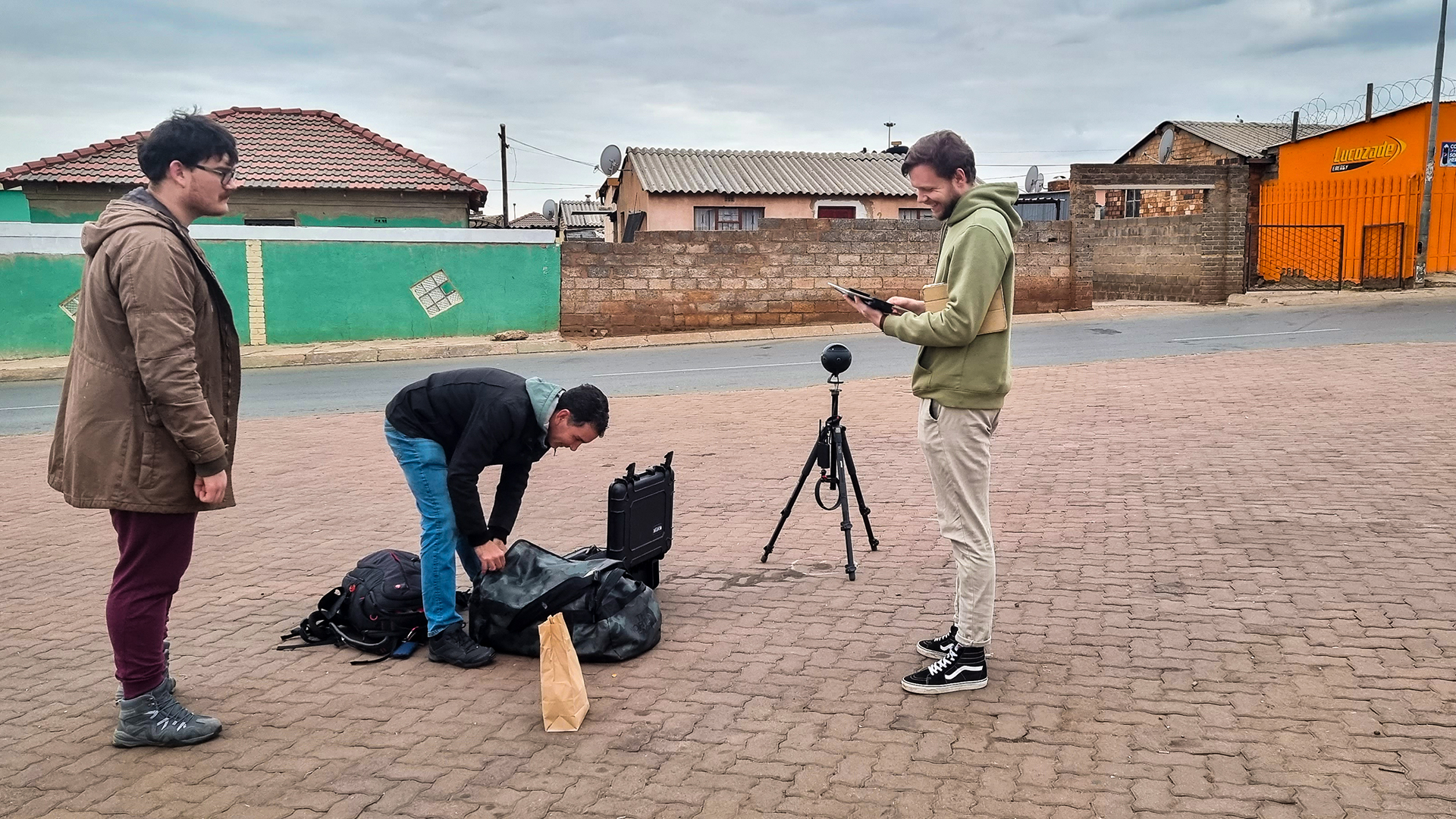
360° Video Filming
The Impact of 360-Degree Videos on South African Photography
Expanding Creative Possibilities for Photographers
360-degree videography has significantly broadened the creative horizons for South African photographers. This medium allows for the exploration of spatial narratives and the creation of more immersive and interactive visual stories. Photographers can now experiment with new angles and perspectives, capturing the essence of expansive landscapes and intricate urban environments in a single shot. The ability to incorporate movement and interactivity into their work fosters a deeper connection with the audience, enabling a more engaging and participatory viewing experience. Consequently, 360-degree videos serve as a catalyst for innovation and artistic expression within the photography community.
Building a Portfolio with 360-Degree Content
Incorporating 360-degree content into a photography portfolio can significantly enhance its appeal and versatility. Immersive videos showcase a photographer's technical prowess and creative vision, distinguishing their work in a competitive market. By featuring diverse projects, such as virtual tours, event recordings, and experiential narratives, photographers can demonstrate their ability to adapt to different contexts and client needs. Utilizing online platforms that support 360-degree media, such as YouTube VR and Facebook 360, further amplifies visibility and accessibility. A robust portfolio that includes 360-degree content not only attracts a broader clientele but also positions the photographer as a forward-thinking professional in the industry.
Educational and Training Applications
360-degree videos offer substantial benefits in educational and training contexts, providing immersive learning experiences that traditional media cannot match. Photography workshops and training sessions can leverage 360-degree footage to offer hands-on demonstrations and virtual field trips, enhancing the learning process. This technology facilitates the visualization of complex concepts and environments, making it easier for students to grasp intricate details and spatial relationships. Additionally, 360-degree videos can be used to create interactive tutorials, allowing learners to engage with the material in a more dynamic and personalized manner. By integrating this innovative medium, educational institutions and training programs can elevate their instructional methodologies and outcomes.
Future Prospects of 360-Degree Videography in South Africa
Emerging Technologies and Innovations
The future of 360-degree videography in South Africa is poised for remarkable advancements driven by emerging technologies. Integration with augmented reality (AR) and virtual reality (VR) is set to enhance the immersive experience, allowing for more interactive and lifelike environments. Real-time 360-degree streaming capabilities will enable live broadcasts of events and experiences, fostering greater audience participation. Additionally, advancements in artificial intelligence (AI) and machine learning are expected to streamline post-production processes, automating tasks such as stitching and color correction. These innovations will not only improve the quality and efficiency of 360-degree video production but also expand its applicability across various industries.
Potential Growth Areas and Market Opportunities
Several growth areas and market opportunities lie ahead for 360-degree videography in South Africa. The real estate sector stands to benefit significantly, with virtual property tours becoming increasingly popular among buyers and renters seeking comprehensive views of properties. The education sector can leverage immersive videos for interactive learning modules, enhancing student engagement and retention. Furthermore, the entertainment industry, including film and gaming, can incorporate 360-degree content to create more engaging and interactive experiences. Collaborations with tourism boards and local businesses present lucrative opportunities to showcase South Africa's attractions to a global audience, driving both visibility and economic growth.
Sustainability and Ethical Considerations
As 360-degree videography continues to evolve, sustainability and ethical considerations become increasingly important. Responsible storytelling ensures that immersive content accurately represents subjects without perpetuating stereotypes or biases. Environmental sustainability is also a concern, as the production of 360-degree videos should minimize ecological impact through the use of eco-friendly equipment and practices. Additionally, ensuring accessibility and inclusivity in immersive content is crucial, enabling diverse audiences to engage with the material regardless of their physical abilities or technological access. By prioritizing these considerations, the industry can foster a more equitable and sustainable future for 360-degree videography in South Africa.
Embracing the Full Spectrum of South Africa
360-degree videos offer a unique and immersive lens through which to experience the multifaceted beauty and cultural richness of South Africa. This cutting-edge technology not only enhances the way stories are told but also transforms industries by providing new tools for engagement and interaction. As the adoption of 360-degree videography continues to rise, it paves the way for innovative narratives and deeper connections between creators and audiences. Embracing this technology enables South Africa to showcase its unparalleled landscapes and vibrant heritage in a manner that captivates and inspires, solidifying its position as a leader in the realm of immersive visual storytelling.
Your premier destination for new 360 releases and comprehensive coverage across the worlds of videography and photography. We bring you the latest industry news, technical insights, and creative breakthroughs.