

The world of visual media is evolving at an unprecedented pace, and 3D videos are at the forefront of this revolution. As we delve into the realm of three-dimensional imagery, we unlock new dimensions—both literally and figuratively—in storytelling, entertainment, and education. This comprehensive guide explores the intricacies of 3D video production, offering insights into the techniques and technologies that are shaping the future of visual narratives.
Understanding the Basics of 3D Videos
The Evolution of 3D Imagery
From the rudimentary stereoscopes of the 19th century to today's immersive virtual reality experiences, 3D imagery has undergone a remarkable metamorphosis. Early pioneers like Sir Charles Wheatstone laid the groundwork with stereopsis, allowing viewers to perceive depth from flat images. Over time, technological advancements transformed these nascent concepts into the sophisticated 3D videos we enjoy today.
The journey hasn't been linear, though. The ebbs and flows of 3D popularity often mirrored the technological capabilities of the times. For instance, the resurgence of 3D cinema in the early 21st century, catalyzed by films like "Avatar," was a testament to the synergy between storytelling and technological innovation.
How 3D Videos Differ from Traditional 2D Videos
At first glance, 3D and 2D videos may seem similar—they both capture moving images to tell a story. However, the fundamental difference lies in the perception of depth. While 2D videos present images on a flat plane, 3D videos simulate binocular vision, giving viewers the illusion of depth and immersion.
This depth perception is achieved through the use of stereoscopic techniques, where two slightly offset images are presented separately to each eye. The brain fuses these images, creating a perception of depth that brings visuals to life. This phenomenon distinguishes 3D videos, making them a more immersive medium compared to their 2D counterparts.
The Science of Stereoscopy in 3D Filming
Stereoscopy, the bedrock of 3D video technology, leverages the human visual system's ability to interpret depth from two slightly different images. In filming, this involves capturing two images from perspectives approximately 6.5 centimeters apart—the average distance between human eyes.
These images are then processed and displayed in a way that each eye perceives only its corresponding image. Through anaglyph glasses, polarized filters, or active shutter systems, the brain merges the two images, rendering a cohesive three-dimensional scene. This intricate dance between technology and human physiology is what breathes life into 3D visuals.

Understanding The Basics Of 3D Videos
The Technology Behind 3D Video Production
Advanced 3D Cameras and Equipment
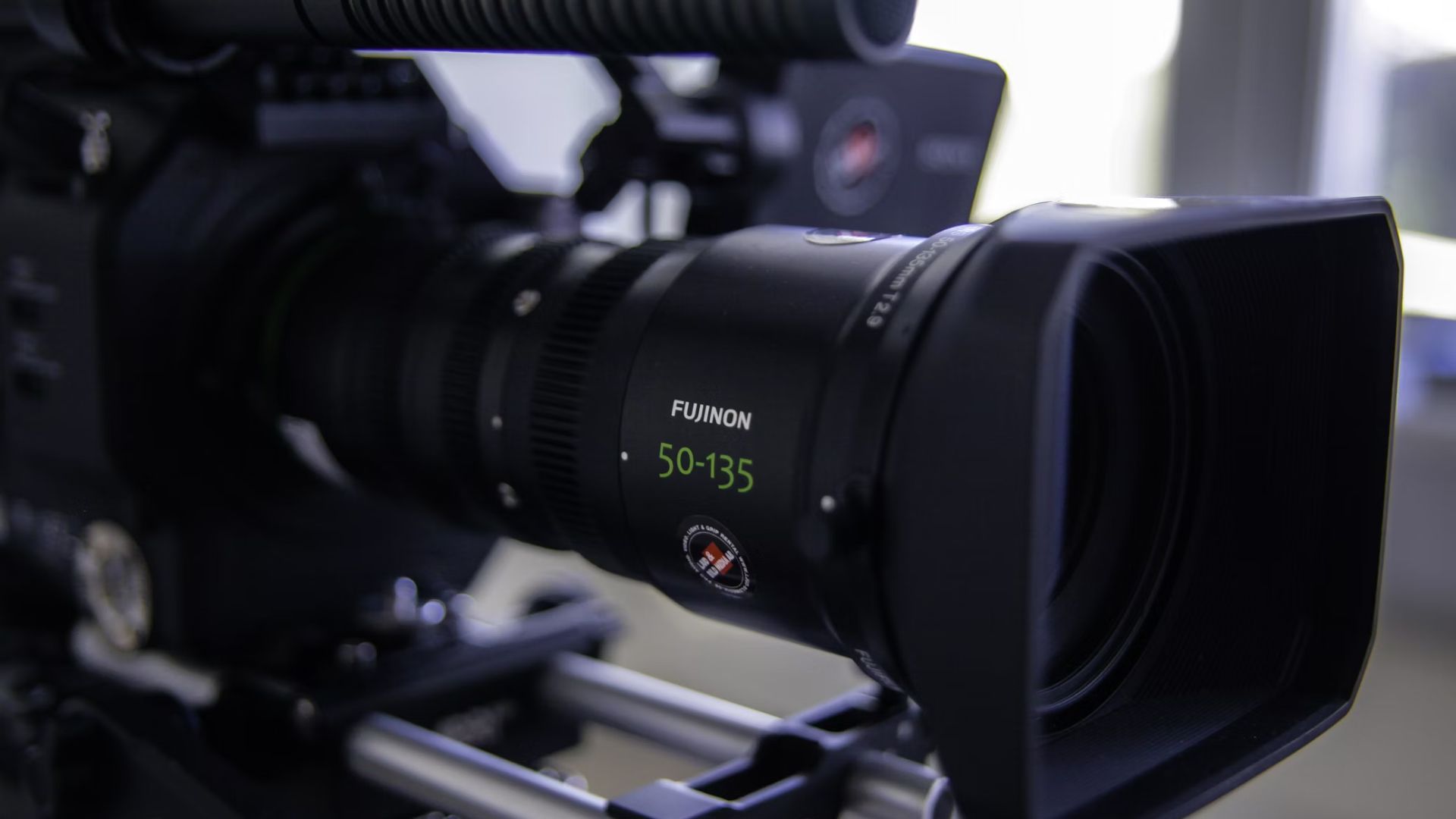
Modern 3D video production relies heavily on specialized cameras capable of capturing dual perspectives simultaneously. These cameras range from professional-grade rigs with twin lenses to compact setups that synchronize multiple cameras. The precision of these devices is paramount, as even minor discrepancies can disrupt the stereoscopic effect.
Moreover, advancements in sensor technology and lens optics have enhanced the clarity and depth of 3D footage. High-resolution sensors, paired with precise calibration tools, ensure that the parallax—the difference between the two images—is optimized for a natural viewing experience.
Software Innovations in 3D Rendering
Beyond hardware, software plays a crucial role in refining 3D videos. Modern rendering software can process vast amounts of data, correcting discrepancies between the two images and enhancing the depth cues. These applications offer features like depth mapping, parallax adjustment, and even the ability to convert 2D footage into 3D.
Cutting-edge algorithms can simulate volumetric lighting and dynamic shadows, adding realism to the scenes. By utilizing computational photography techniques, filmmakers can push the boundaries of what's possible in 3D storytelling, creating visuals that are both technically impressive and emotionally resonant.
Virtual Reality and 3D Video Integration
The convergence of 3D video and virtual reality (VR) has opened new horizons for immersive experiences. VR headsets provide a platform where 3D videos can be experienced in 360 degrees, enveloping the viewer in the narrative. This integration necessitates a meticulous approach to filming, as it requires capturing omnidirectional footage while maintaining the stereoscopic effect.
Producers now harness specialized VR cameras that capture spherical video, coupled with stereoscopic imaging, to deliver content that is both immersive and three-dimensional. This synergy between 3D videos and VR technology heralds a new era of interactive and experiential media.
The Technology Behind 3D Video Production
Techniques for Capturing Stunning 3D Footage
Mastering Depth Composition
In 3D videography, depth composition is more than just a technical consideration—it's an art form. Filmmakers must thoughtfully arrange elements within the scene to accentuate the three-dimensional effect. This involves strategic placement of foreground, midground, and background elements to create layers that enhance depth perception.
Utilizing techniques like converging lines and perspective scaling can draw the viewer's eye into the scene, amplifying the immersive quality of the footage. By consciously manipulating spatial relationships, directors can guide the audience's emotional and visual journey through the narrative.
Lighting Strategies for 3D Videos
Lighting in 3D filming is a nuanced endeavor. Unlike 2D, where lighting primarily serves to illuminate subjects and set moods, in 3D, it also influences depth perception. Proper lighting can accentuate textures and contours, adding dimensionality to objects within the frame.
Techniques such as chiaroscuro—using strong contrasts between light and dark—can enhance the stereoscopic effect. Additionally, avoiding excessive flat lighting is crucial, as it can diminish depth cues and make scenes appear lifeless. By skillfully manipulating illumination, cinematographers can bring out the inherent depth in their subjects.
Camera Movement and Parallax Effect
Dynamic camera movements can significantly enhance the parallax effect in 3D videos, but they require careful execution. Panning, tilting, and tracking shots introduce changes in perspective that can deepen the viewer's sense of immersion. However, abrupt or rapid movements may cause discomfort or disorientation.
Implementing smooth, deliberate movements allows the audience to acclimate to the shifting perspectives. Utilizing stabilization equipment like gimbals and sliders ensures that transitions are fluid. By balancing motion with viewer comfort, filmmakers can leverage camera movements to enrich the 3D experience.

Techniques For Capturing Stunning 3D Footage
Post-Production in 3D Video Editing
Aligning and Synchronizing Footage
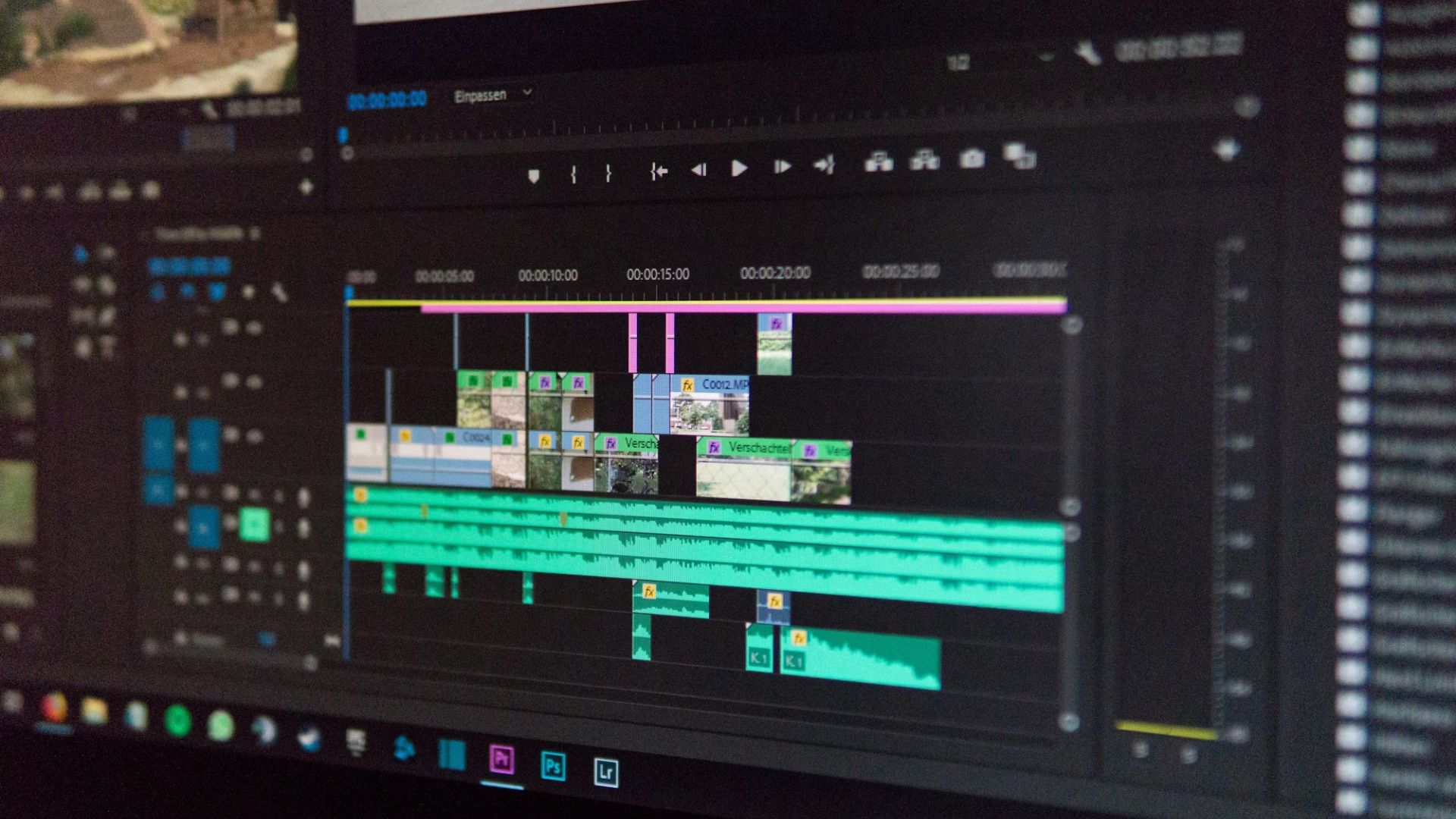
Post-production begins with meticulously aligning and synchronizing the footage from both camera perspectives. Even minute misalignments can lead to viewer discomfort or a breakdown of the 3D illusion. Editors use specialized software to adjust disparities in position, rotation, and scale between the left and right images.
This process often involves scrupulous frame-by-frame analysis to ensure seamless integration. By achieving precise synchronization, the final product maintains the integrity of the stereoscopic effect, delivering a smooth and immersive viewing experience.
Color Grading and Depth Enhancement
Color grading in 3D videos extends beyond aesthetic enhancement—it also affects depth perception. Adjusting color contrasts and luminance between different layers within a scene can accentuate the spatial separation of elements. For instance, cooler hues might be assigned to background elements, while warmer tones highlight the foreground, subtly guiding the viewer's focus.
Advanced grading techniques can also mitigate issues like retinal rivalry, where conflicting images cause eye strain. By harmonizing the color palette and enhancing depth cues, editors enrich the visual storytelling and ensure viewer comfort.
Adding Special Effects and CGI in 3D
Incorporating special effects and computer-generated imagery (CGI) into 3D videos introduces additional complexity. Effects must be rendered from both perspectives to maintain the stereoscopic illusion. This requires double the work compared to 2D productions, as each effect must be precisely aligned in both the left and right images.
The payoff, however, is substantial. Well-executed CGI can create breathtaking scenes that transcend the limitations of physical filming. From fantastical landscapes to dynamic action sequences, the integration of CGI expands the creative possibilities of 3D storytelling.
Post Production In 3D Video Editing
The Future of 3D Video and Its Applications
3D Videos in Education and Training
The educational potential of 3D videos is vast. By providing immersive experiences, 3D content can enhance learning in fields like medicine, engineering, and the sciences. For instance, medical students can observe complex surgical procedures in three dimensions, gaining insights that traditional 2D videos cannot offer.
Similarly, in vocational training, 3D simulations allow learners to interact with virtual environments that replicate real-world scenarios. This experiential learning approach can improve retention and comprehension, preparing individuals more effectively for their respective professions.
Entertainment and Interactive Media
The entertainment industry continues to be a major driver of 3D video innovation. From blockbuster films to interactive gaming, 3D content offers audiences unparalleled levels of immersion. The integration of 3D technology with emerging mediums like augmented reality (AR) and mixed reality (MR) is blurring the lines between the virtual and physical worlds.
Interactive media experiences, where viewers can influence narratives or explore environments freely, are becoming increasingly sophisticated. As technology advances, the fusion of 3D video with interactive platforms promises to redefine entertainment paradigms.
Advancements in Consumer 3D Technology
Consumer access to 3D technology is expanding. With the proliferation of affordable 3D cameras and displays, enthusiasts can create and view 3D content with relative ease. Innovations like glasses-free 3D screens and holographic displays are making 3D experiences more accessible and user-friendly.
Moreover, advancements in mobile technology are enabling 3D capture and playback on smartphones and tablets. As these technologies become more mainstream, the creation and consumption of 3D content are poised to become integral parts of everyday digital life.
Frequently Asked Questions
What equipment do I need to start making 3D videos?
To begin producing 3D videos, you'll need a stereoscopic camera setup capable of capturing dual perspectives. This can be a specialized 3D camera with twin lenses or a rig that synchronizes two separate cameras. Additionally, you'll require editing software that supports 3D video processing to align, synchronize, and render your footage properly.
Investing in quality equipment ensures better control over the stereoscopic effect and overall video quality. Accessories like 3D monitors and viewing glasses can also enhance your production workflow and allow you to preview content as intended.
Can I convert existing 2D videos into 3D?
Yes, it's possible to convert 2D videos into 3D using specialized software that adds depth information to flat images. This process, known as 2D-to-3D conversion, involves algorithms that simulate depth by analyzing visual cues like motion, color gradients, and object placement. However, the results may not be as immersive as footage originally captured in 3D.
While conversion tools have improved, they often require manual adjustments to optimize depth effects. For critical projects, capturing footage in 3D from the outset typically yields superior results in terms of depth realism and viewer engagement.
Are 3D videos compatible with all devices?
3D video compatibility depends on the playback device's capabilities. Traditional screens display 2D images, so viewing 3D content requires devices that support stereoscopic display methods. This could include 3D TVs with active or passive glasses, VR headsets, or specialized monitors that enable glasses-free 3D viewing.
Moreover, the format of the 3D video (e.g., side-by-side, top-and-bottom, or anaglyph) must be supported by the playback device. As technology advances, more devices are incorporating 3D capabilities, but it's important to consider your target audience's access to compatible hardware when producing 3D content.
Your premier destination for new 360 releases and comprehensive coverage across the worlds of videography and photography. We bring you the latest industry news, technical insights, and creative breakthroughs.