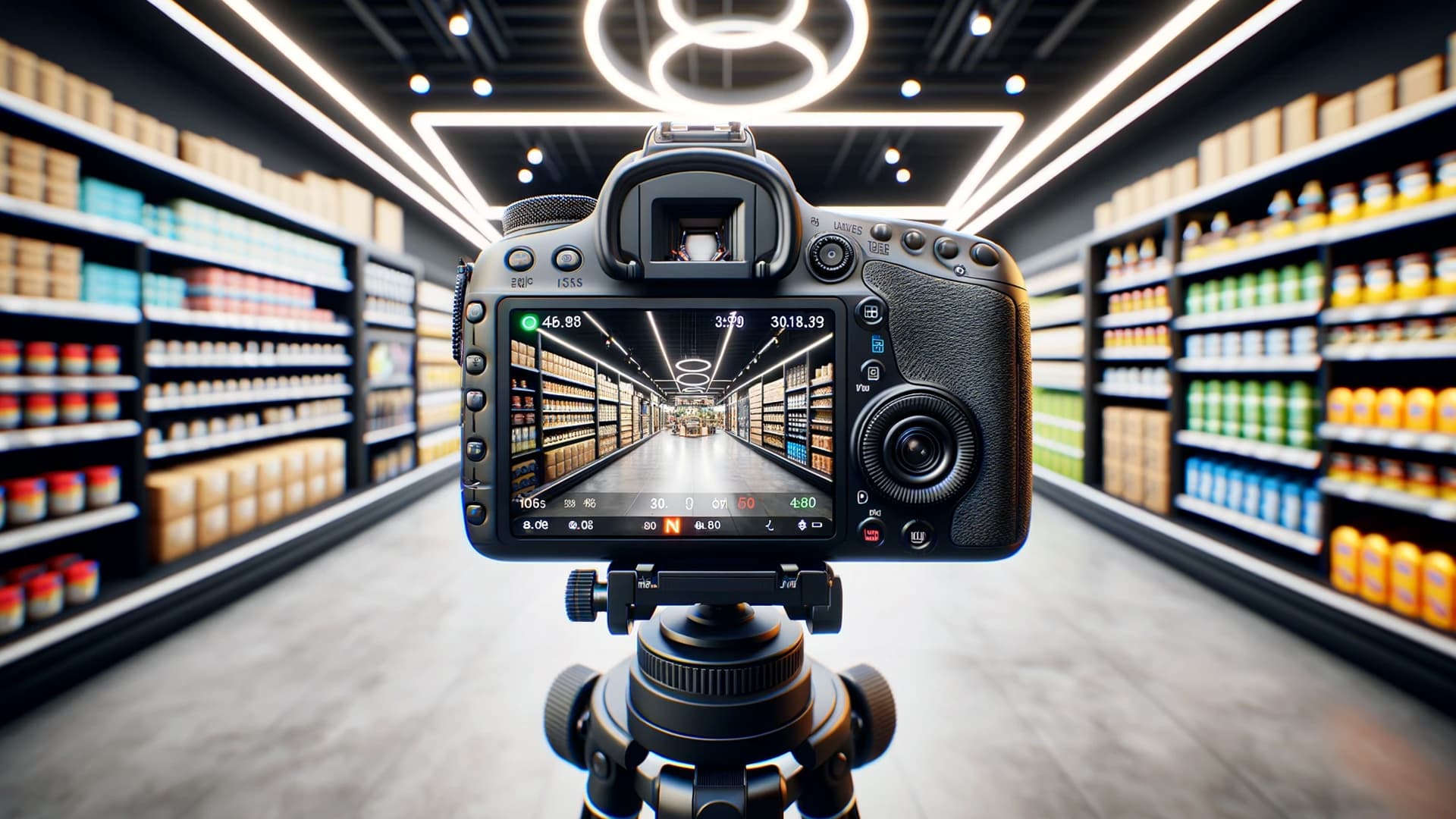

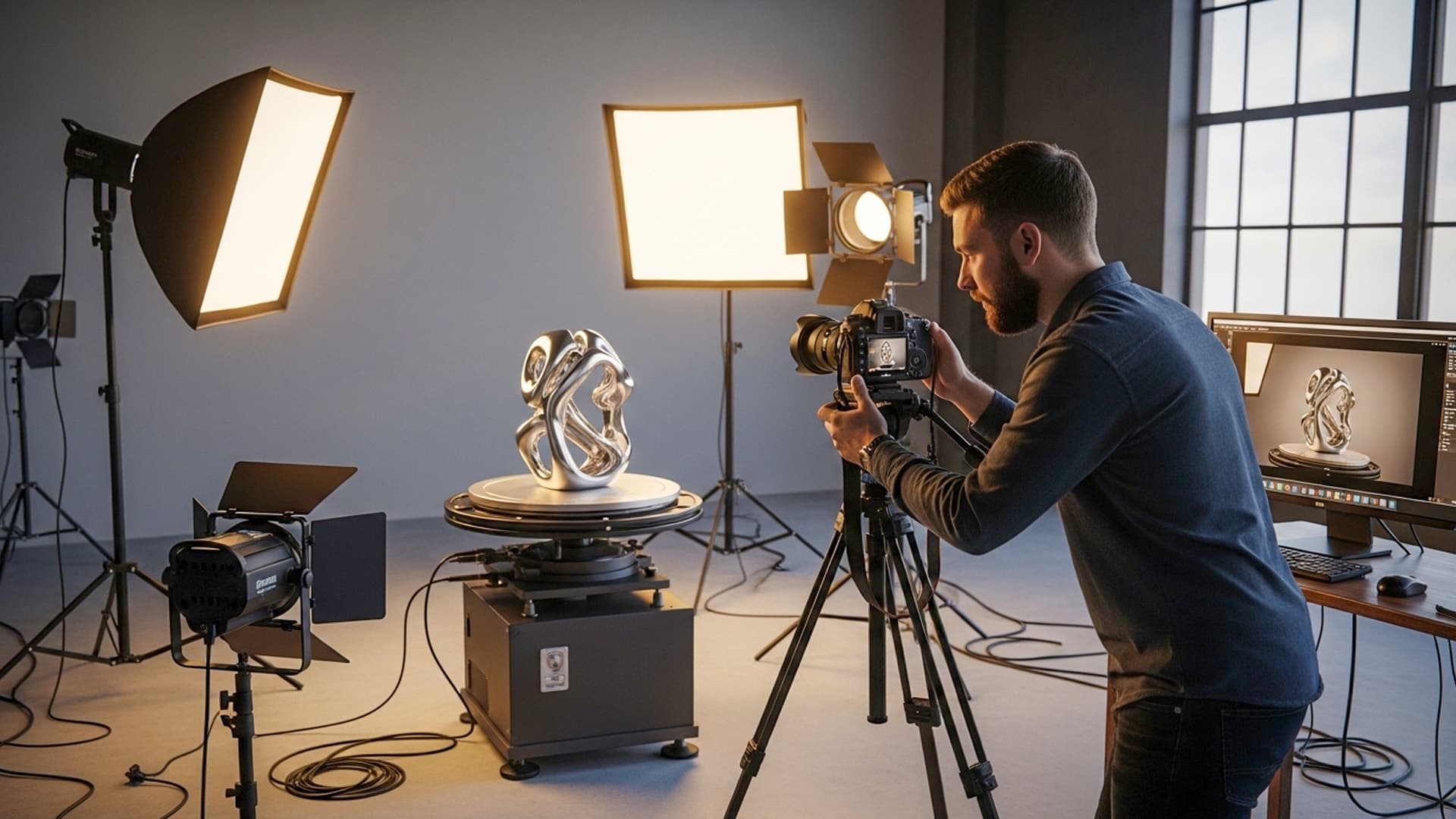
If you’re selling products or showcasing spaces online, one challenge always comes up:
How do you give customers a real sense of what something looks and feels like without them physically being there?
Traditional images help — but they’re limited. Customers can only see a few angles, and they often need to imagine the rest.
That’s where 3D photography changes everything.
What is 3D photography?
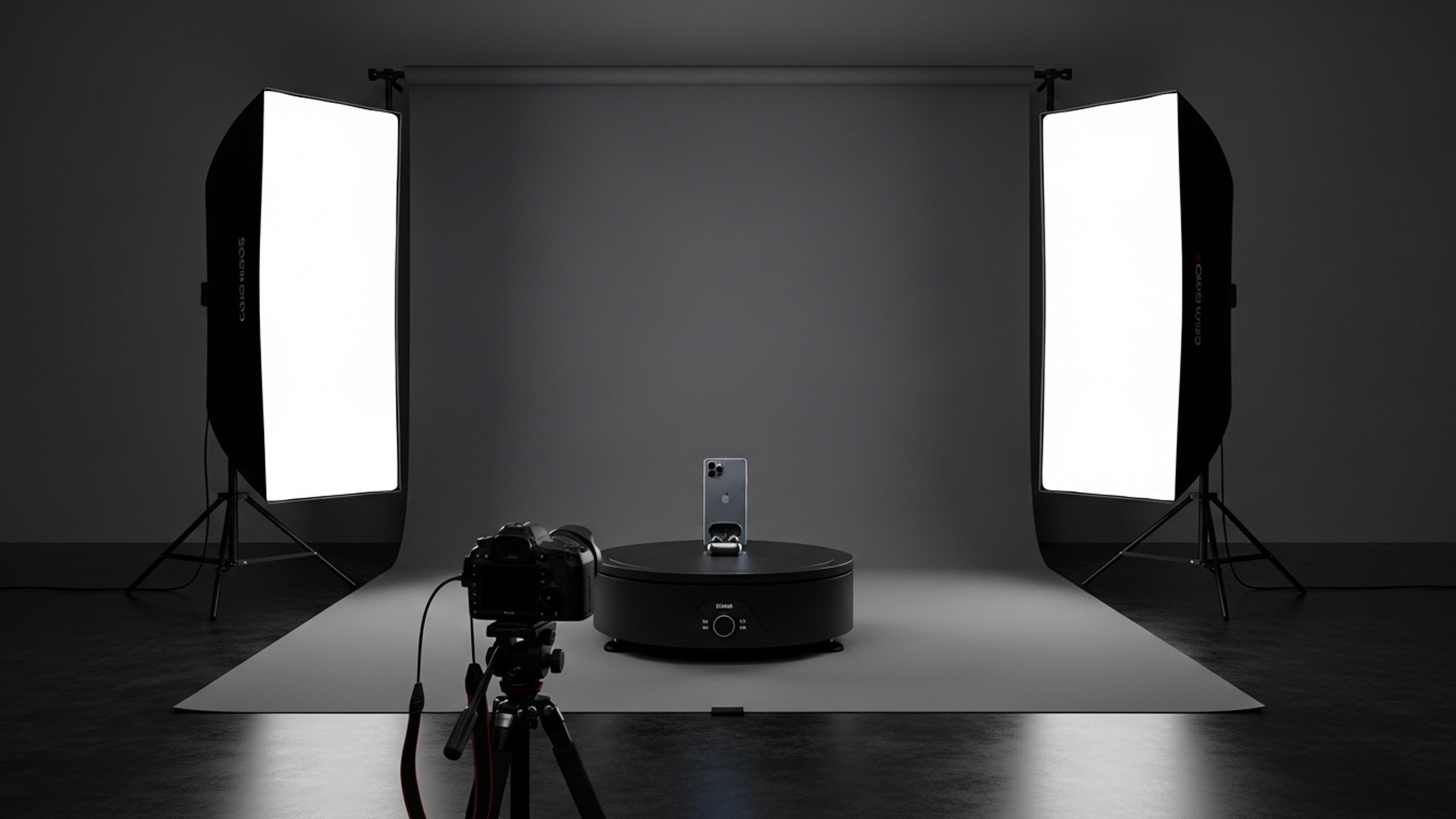
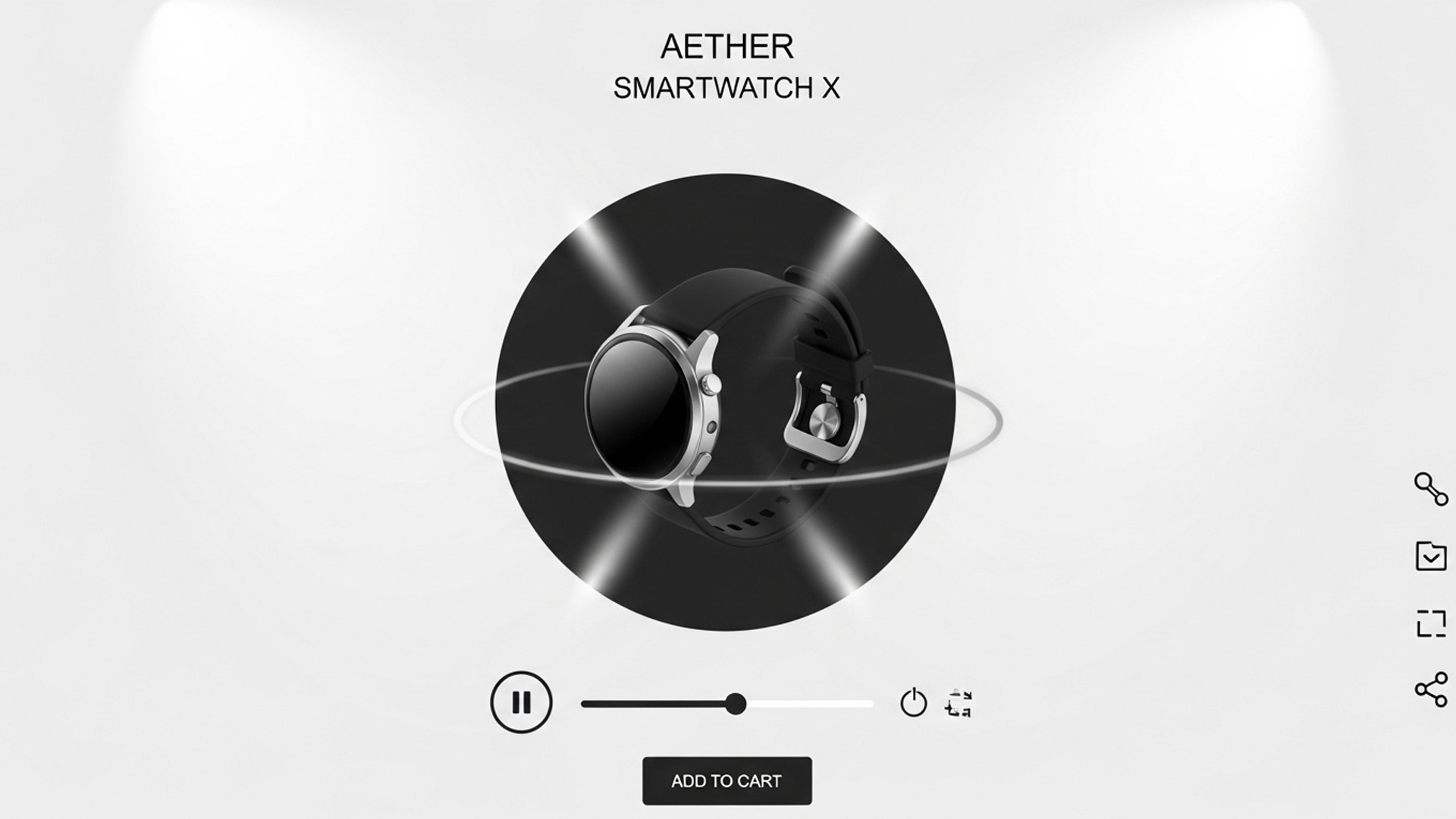
3D photography allows users to interact with an image in a more immersive way.
Instead of viewing a static photo, users can:
- Rotate the object
- Zoom in on details
- View from multiple angles
- Experience depth and realism
It bridges the gap between physical and digital experiences.
Why traditional images are no longer enough
Modern users expect more than just visuals — they expect interaction.
When customers can’t fully understand a product or space, it creates uncertainty. And uncertainty reduces conversions.
Static images often:
- Hide important details
- Limit user engagement
- Reduce confidence in purchasing decisions
3D photography solves these problems by giving users control over how they explore what you’re offering.
The business benefits of 3D photography
1) Higher engagement
Interactive visuals naturally capture attention. Users spend more time exploring 3D content compared to static images.
More engagement usually means:
- Lower bounce rates
- More time on site
- Increased interest in your product or service
2) Improved conversion rates
When customers can see exactly what they’re buying, they feel more confident.
3D photography helps reduce hesitation by:
- Showing accurate product details
- Eliminating guesswork
- Creating a more “in-store” experience online
3) Fewer returns
One of the biggest issues in e-commerce is product returns due to unmet expectations.
By giving customers a clearer understanding upfront, 3D photography helps:
- Align expectations with reality
- Reduce misunderstandings
- Improve overall satisfaction
4) Stronger brand perception
Using 3D visuals positions your business as modern, innovative, and detail-focused.
It shows that you’re willing to invest in better experiences for your customers — which builds trust.
Where 3D photography works best
3D photography is incredibly versatile and works across many industries:
- E-commerce: product displays and online stores
- Real estate: showcasing interiors and developments
- Automotive: vehicle previews and features
- Retail: interactive catalogues
- Events & exhibitions: digital showcases
If your business relies on visuals to sell, 3D photography can make a measurable difference.
3D photography vs 360 photography
These two are often confused, but they serve slightly different purposes:
- 360 photography focuses on capturing a full environment or rotation
- 3D photography adds depth, realism, and interactive control
In many cases, combining both creates the best experience.
What this means for your business
3D photography is not just a visual upgrade — it’s a conversion tool.
It helps you:
- Communicate value more clearly
- Build trust with your audience
- Stand out in competitive markets
- Deliver a better digital experience
Final thoughts
The way people interact with content online is evolving quickly.
Businesses that adapt by offering richer, more interactive experiences will always have an advantage.
3D photography is one of the most effective ways to do that — especially if your product or service relies on visual impact.
If you’re looking to improve engagement, conversions, and overall user experience, it’s worth considering how 3D visuals can fit into your strategy.
Elisha Roodt
Your premier destination for new 360 releases and comprehensive coverage across the worlds of videography and photography. We bring you the latest industry news, technical insights, and creative breakthroughs.